
February was a month of collaboration, education, and hands-on environmental work for Tia Butler of the Confederated Tribes of Siletz Indians, who serves as a Northwest Executive Committee Member of the National UNITY Council.
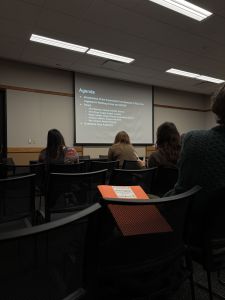
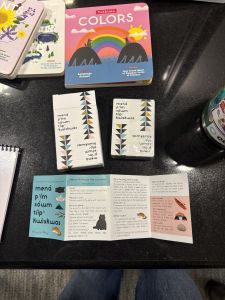
Throughout the month, Tia continued her work in community education and environmental stewardship by attending several conferences, workshops, and trainings focused on food sovereignty and environmental policy. These opportunities allowed her to connect with other Indigenous leaders and organizations working to strengthen sustainable practices within their communities.
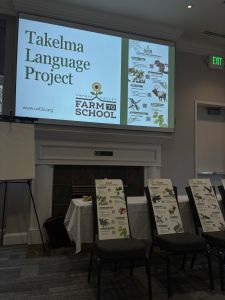
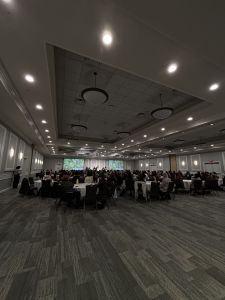
Tia participated in a small farms conference where she connected with Indigenous-owned farms and learned about innovative approaches to supporting tribal food systems. She also attended environmental policy workshops and classes with Oregon State University Extension Services, as well as engaged with the University of Oregon Environmental and Natural Resource Law Center to deepen her understanding of environmental advocacy and policy.
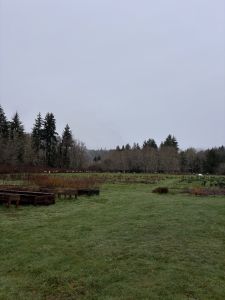
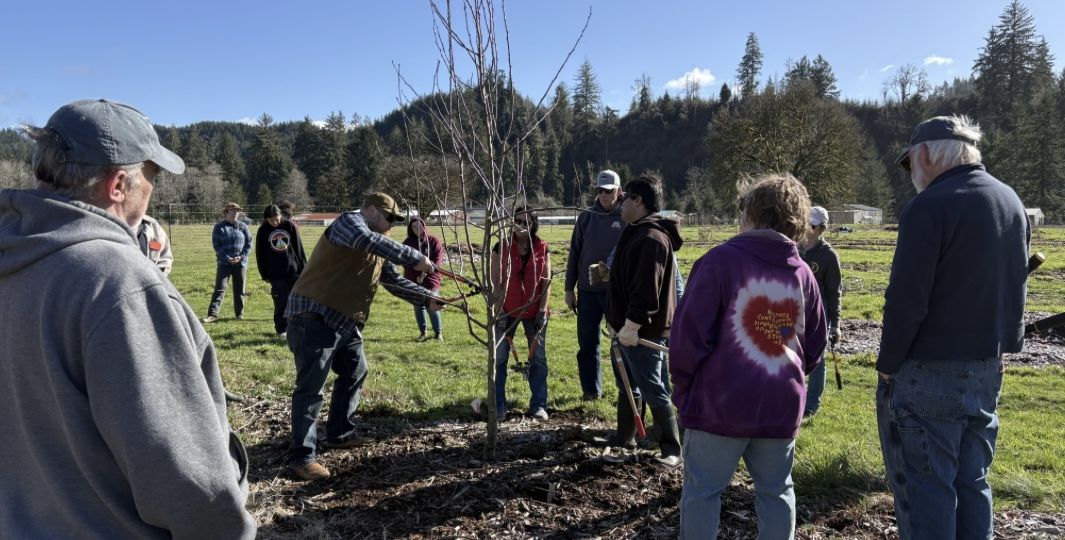
Alongside these educational opportunities, Tia remained actively involved in projects at the Siletz Tribal Farm, where several community-based events and restoration projects were underway. One major accomplishment during the month was completing the Spring willow harvest and a beaver dam analog wildlife restoration project.
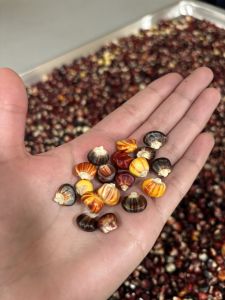
Willow is an important cultural resource for tribes throughout the region, especially for traditional basket weavers who rely on these materials to continue cultural practices passed down through generations. Restoration projects such as the beaver dam analog help support healthy ecosystems while protecting natural resources that are culturally significant to the community.
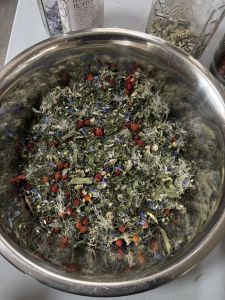
The work being done at the Siletz Tribal Farm also involved collaboration with several partners, including the University of Oregon Environmental and Natural Resource Law Center, Oregon State University Extension Services, the Siletz Community Health Clinic’s Health Promotion Programs, and the Lincoln County School District.
Reflecting on the month, Tia emphasized how these experiences strengthened connections across communities and tribal initiatives.
“These events were important to build and strengthen connections within food sovereignty work,” she shared. “I was able to gather what other tribes are doing and how they are incorporating their community members in this work.”
Through these efforts, Tia continues to demonstrate how Indigenous youth leadership can support environmental stewardship, cultural preservation, and community wellness. As a Northwest Representative on the National UNITY Council Executive Committee, she helps uplift initiatives that protect cultural resources while building stronger, more sustainable futures for Native communities.