UNITY Youth Highlight
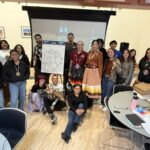
Jonathan Arakawa’s report from the 2024 Reservation Economic Summit described a week of active participation for UNITY youth leaders: presenting their work, exploring organizational collaboration, and sharing leadership experiences alongside Executive Director Mary Kim Titla.
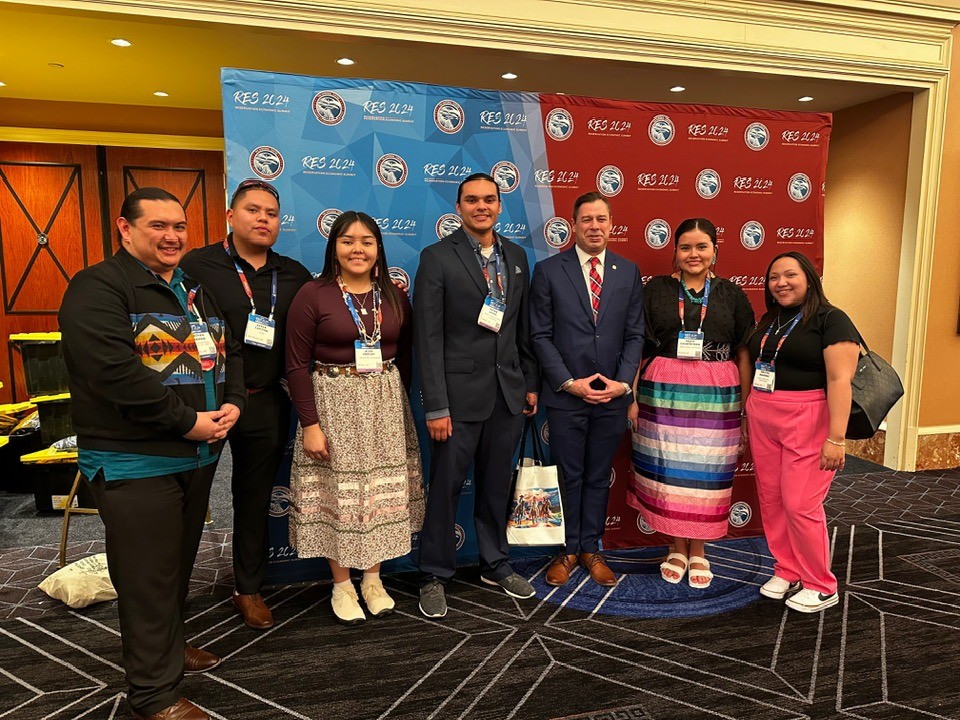
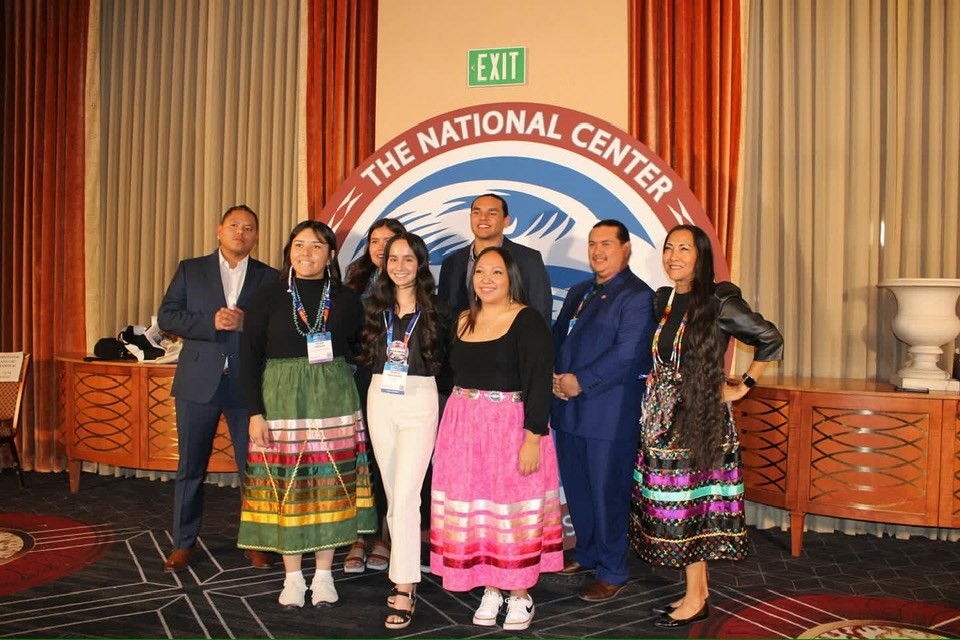
Held March 11–14 in Las Vegas and organized by the National Center for American Indian Enterprise Development, RES brought together people working across tribal government, business, public service, and other fields. For the National UNITY Council Executive Committee, that setting offered opportunities to connect youth leadership with a wider network of Native professionals and decision-makers.
Arakawa, a member of the Lower Elwha Klallam Tribe, served as Male Co-President in UNITY’s 2023–2024 National UNITY Council Executive Committee cohort. The cohort represents Native youth, connects regional councils and individual members, and develops leadership through cooperation and community service.
One responsibility at RES was presenting information about UNITY to attendees of the American Indigenous Business Leaders National Business & Leadership Student Conference. That presentation gave student leaders an opportunity to learn about another organization supporting Native youth development.
The AIBL and UNITY executive committees also met to explore a formal relationship based on their related missions. The meeting was a step toward understanding possible collaboration, with young leaders taking part in the conversation about what that relationship could become.
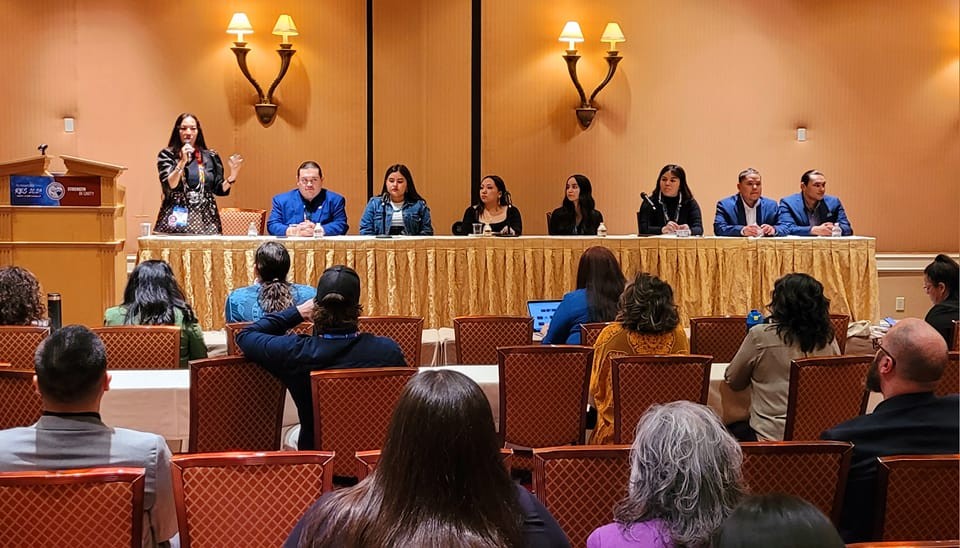
In a session titled “Business Leaders of Today and Tomorrow,” UNITY representatives joined Titla to share their leadership experiences. Their role extended beyond observing established leaders: they contributed their own perspectives on the experience of developing leadership through UNITY.
“The RES Experience provided the NUCEC with a unique opportunity to connect with leaders from tribal governments and enterprises, members of Congress, and prominent Native figures within entertainment industry,” Arakawa wrote in his report.
He described the resulting conversations as “valuable networking opportunities and meaningful interactions with a diverse range of stakeholders.” Those interactions connected youth representatives with people carrying different kinds of responsibility across Indian Country.
The experience illustrates how UNITY’s leadership development can translate into public communication, partnership discussions, and professional relationships. Arakawa’s account places youth in the work of explaining their organization and considering future collaboration while continuing to learn from the broader community around them.