UNITY Youth Highlight
Community gatherings in Tennessee and North Carolina gave Kaylee Evans opportunities to introduce UNITY, connect with tribal relatives, and continue pursuing language learning. Her September 2024 report placed regional outreach within cultural spaces meaningful to the people attending.
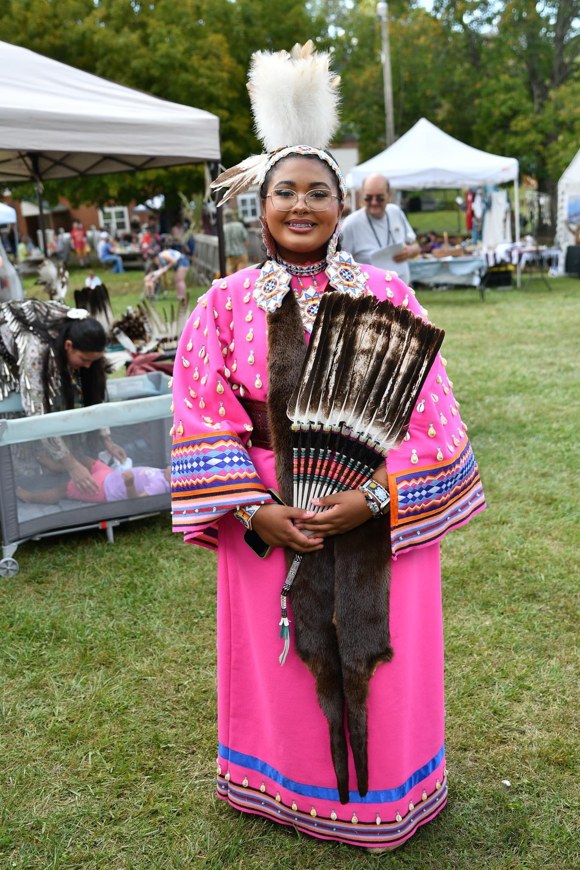
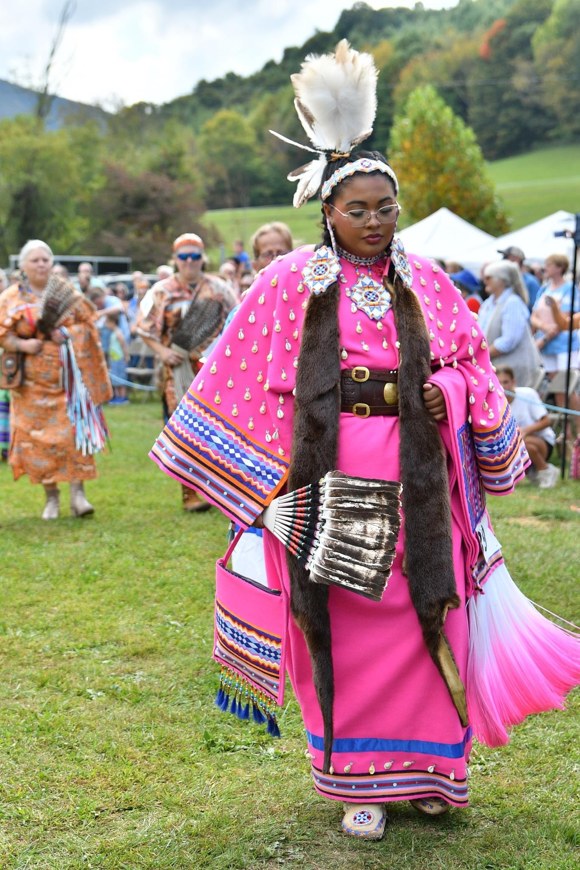
Evans, who identifies as Haliwa-Saponi and Lumbee, served as Southeastern Representative in UNITY’s 2024–2025 National UNITY Council Executive Committee cohort. The cohort represents Native youth perspectives, connects regional councils and individual members, and develops leadership through cooperation and service.
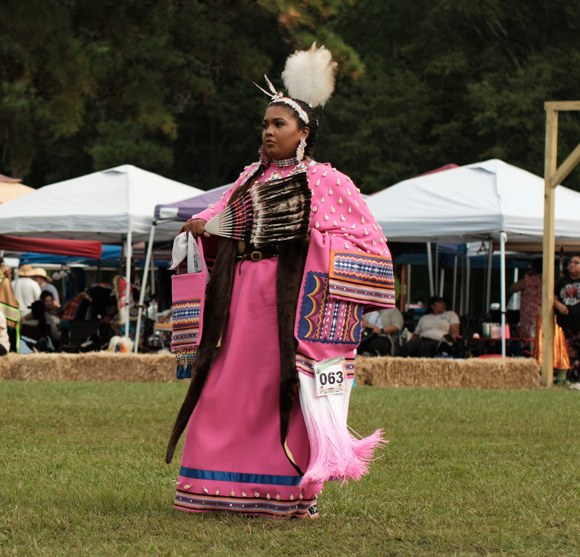
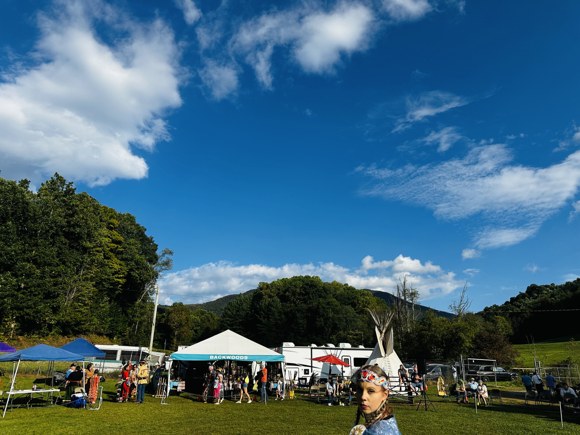
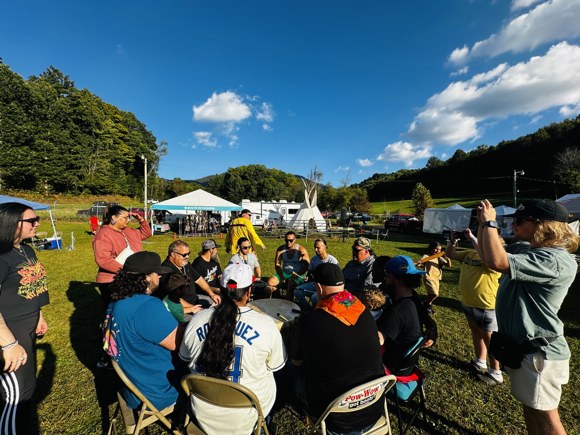
At the Trade Fair in Trade, Tennessee, September 21–22, she encountered a gathering with a powwow and other activities. For Evans, attending was also an opportunity to introduce UNITY in a part of the Southeast where she wanted the organization to have a stronger presence.
“This was an opportunity to represent UNITY in an under-represented area of the Southeast,” she wrote.
Her responsibility there was relational: meet people, share the organization’s mission, and help make youth leadership opportunities more visible. The setting allowed those conversations to happen as part of a community gathering.
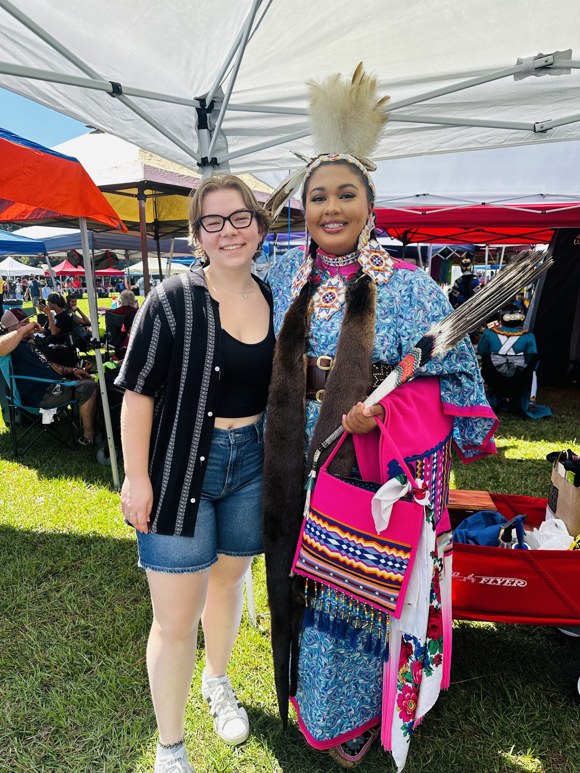
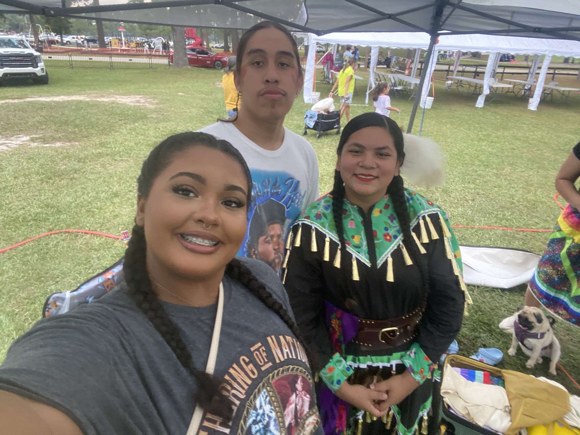
She also attended the Lumbee powwow in Maxton, North Carolina, later that month. Hurricane Helene disrupted the planned three-day event, but her reflection emphasized the time participants were still able to share.
At the powwow, she spoke with Dr. Marty Richardson about continuing lessons in Tutelo Saponi, her tribal language. That conversation connected cultural participation with a specific learning goal she wanted to pursue.
“Seize every opportunity to connect with your tribe, you will not regret it!” Evans shared.
The two experiences connect UNITY’s social development and leadership goals with cultural identity. In Tennessee, she worked to make connections beyond places where UNITY was already familiar; in North Carolina, she strengthened relationships with her own tribal community and explored continued language learning.
Evans’s report shows representation rooted in both outreach and personal connection. Introducing opportunities to others and continuing to learn from her own community were linked parts of how she approached service across the Southeast.