
January offered Alina Sanchez two powerful reminders that leadership often happens at the intersection of advocacy, education, and culture. As the Pacific Region Representative for the National UNITY Council Executive Committee, Alina participated in gatherings that encouraged reflection on community challenges while uplifting Native presence on college campuses.
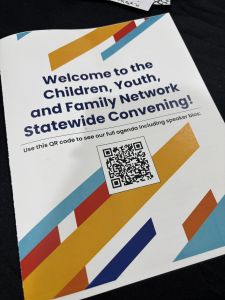
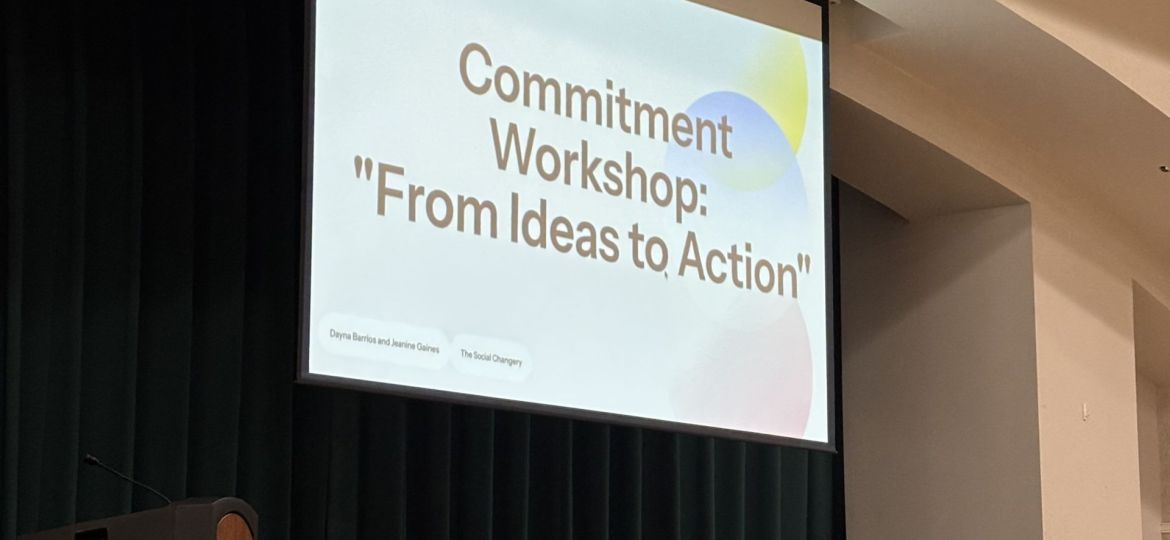
On January 24, Alina attended the CYBHI Native Conference in Sacramento, California. The gathering brought together advocates, organizers, and community leaders from across the state to discuss the issues affecting Native communities and youth. The conference created a space for participants to reflect on ongoing challenges while sharing ideas, resources, and strategies to strengthen support systems within Native communities.
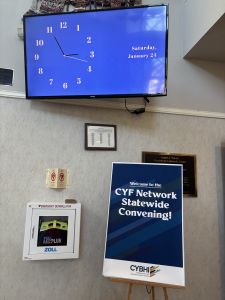
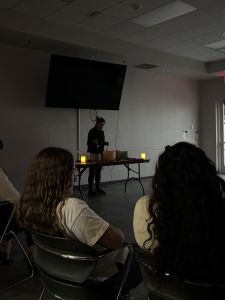
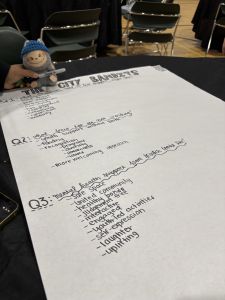
For Alina, the experience reinforced the importance of collective advocacy and ongoing dialogue on the issues affecting Indigenous peoples today.
“It’s important that we gather to discuss prominent issues being faced, so one day we won’t have to demand the bare minimum,” she shared.
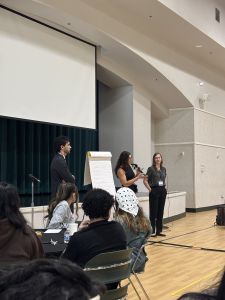
Later in the month, on January 27, Alina attended the Sacramento State University Spring Cultural Blessing and Prayer, hosted by the Esak’tima Native Center. The event brought students, faculty, and community members together to acknowledge the land, offer prayer, and celebrate Native presence on campus.
Alina was personally invited by the Esak’tima director to share words of encouragement with those in attendance. During the visit, she also had the opportunity to tour the campus—one she hopes to attend in the future—with the Advisor to the President for Tribal Community Relations and Native Student Success.
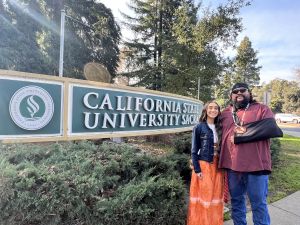
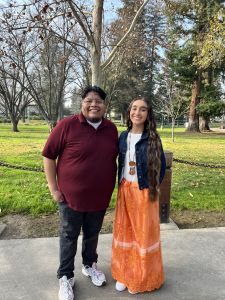
The day included meaningful conversations with Native student leaders and community members, including reconnecting with former UNITY Executive Committee Representative Julian Juan. These moments highlighted the importance of building strong support systems for Native students pursuing higher education.
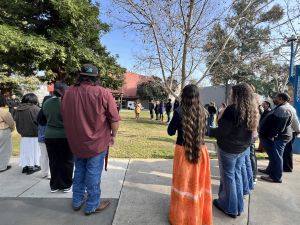
Reflecting on the experience, Alina emphasized the importance of acknowledging the land and sharing resources that help Native students succeed.
“It was important to acknowledge the land we stand on, share words of encouragement, and connect people with the resources available in our community.”
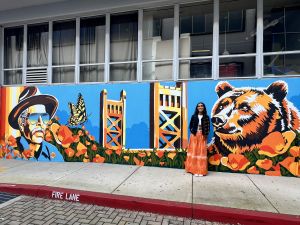
Through advocacy gatherings and cultural events on campus, Alina continues to demonstrate how youth leadership can help strengthen both community awareness and educational opportunities for Native students.