UNITY Youth Highlight
For Chelbie Turtle, cultural sovereignty begins with active participation in the knowledge and relationships of one’s own nation. Her platform, Cultural Sovereignty: The Value of Knowing Your Nation, grew from learning Cherokee language, history, and lifeways alongside years of youth leadership and community involvement.
Turtle was a member of UNITY’s 25 Under 25 cohort, a national recognition program celebrating young Native leaders whose service and personal development reflect the organization’s mission. Her platform connected that recognition with a long-term commitment to cultural learning and the future of tribal communities.
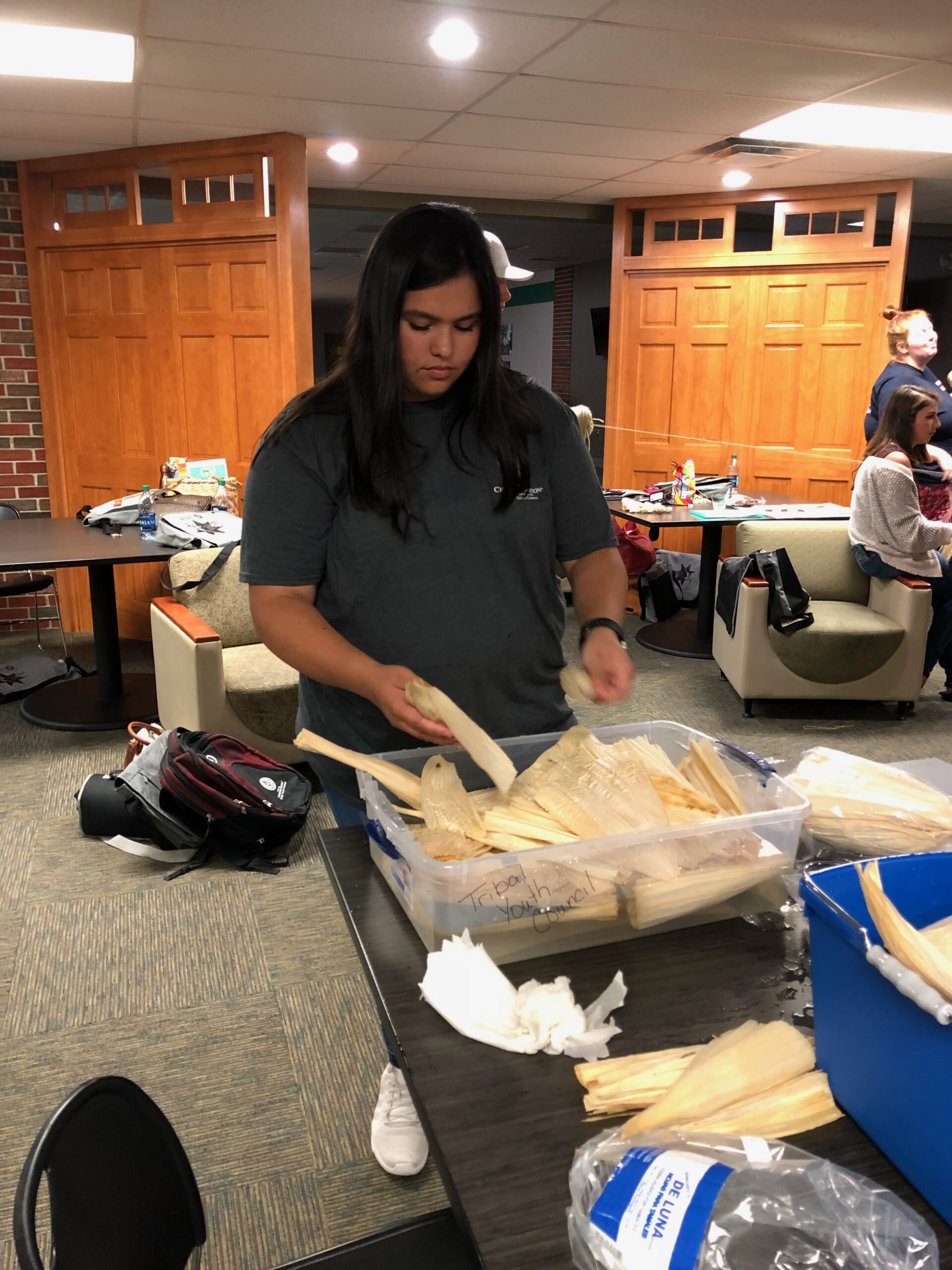
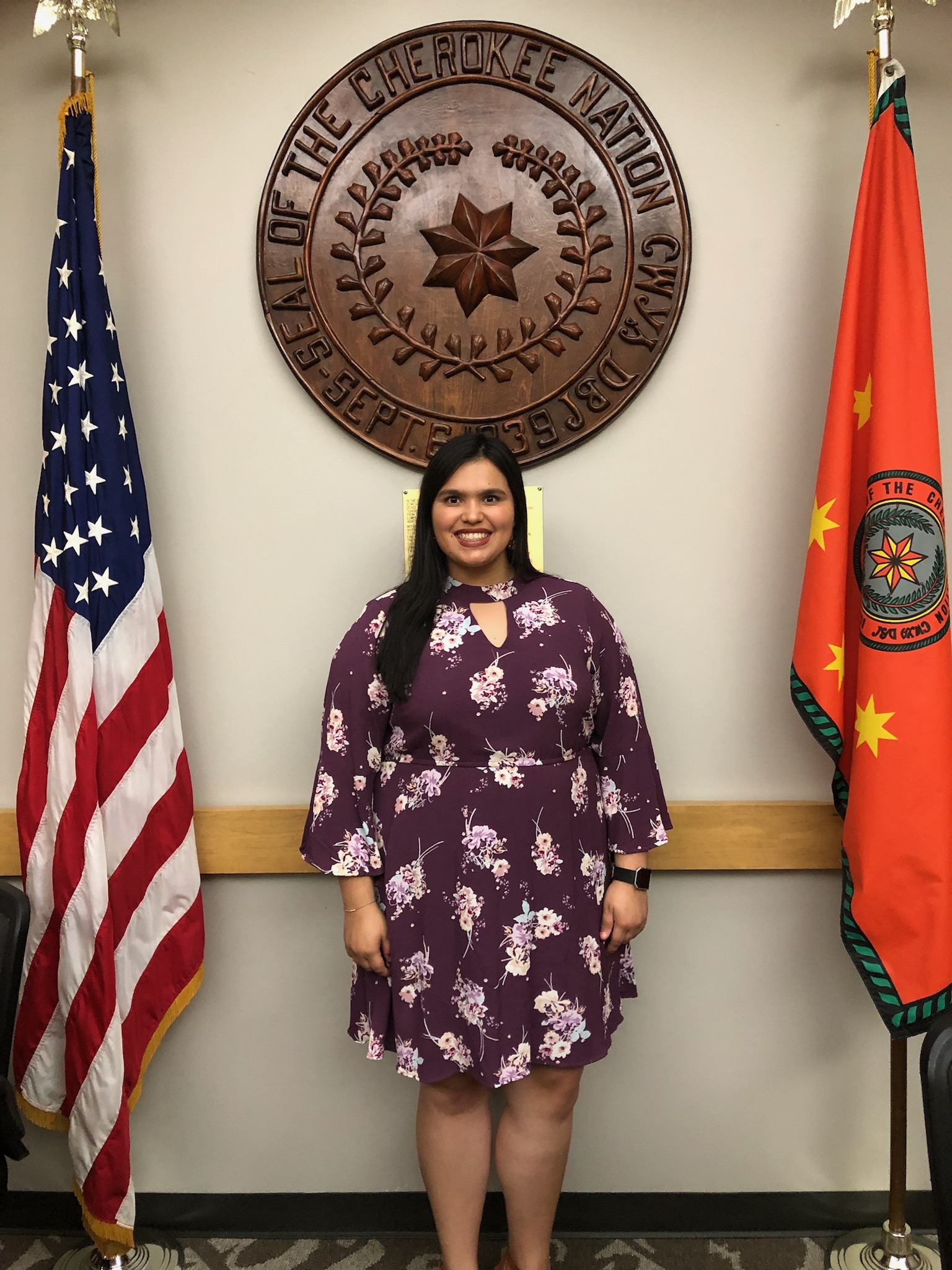
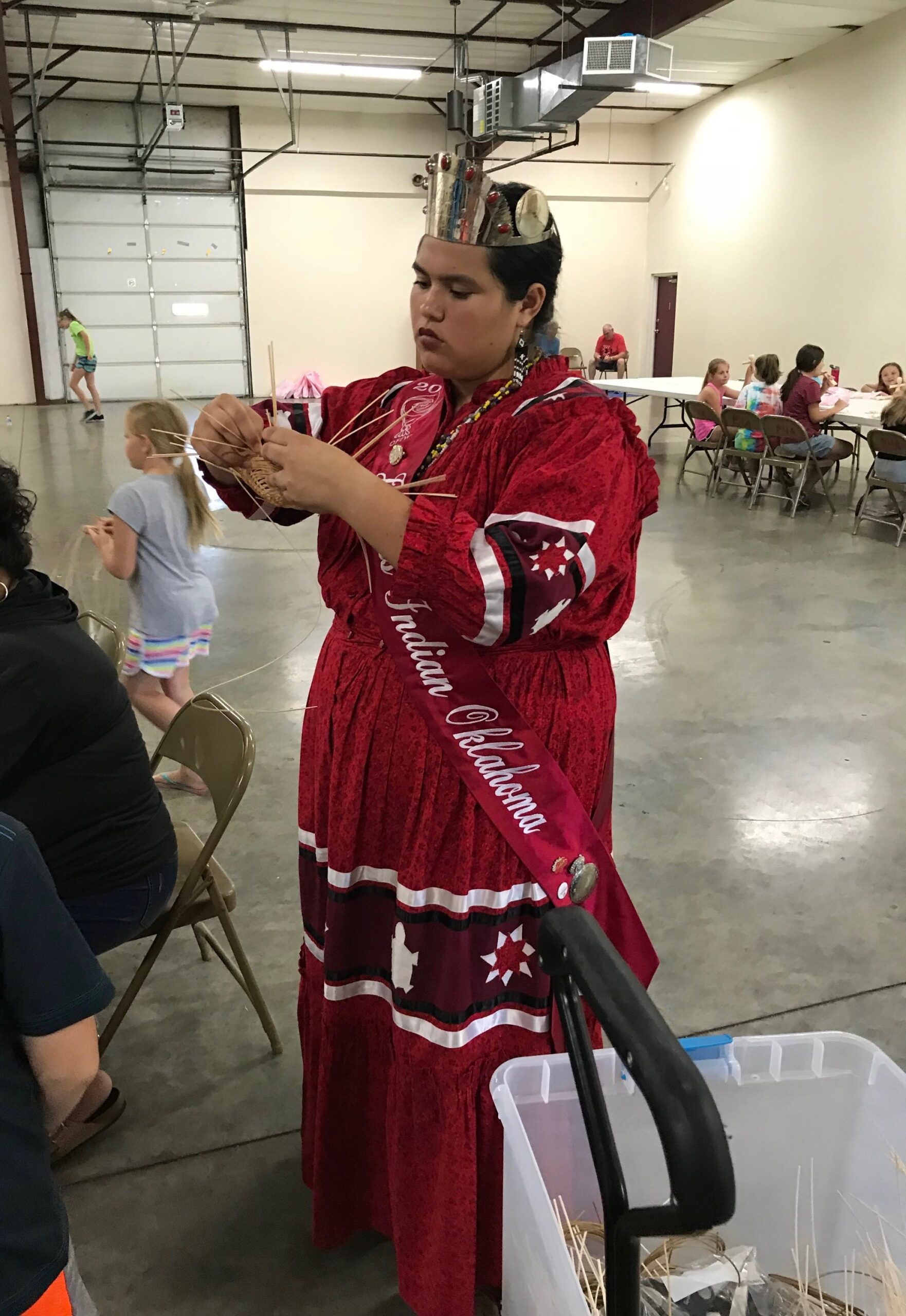
Her experience included serving as Miss Cherokee, Jr. Miss Cherokee, and Jr. Miss Indian Oklahoma, as well as participating in the Cherokee Nation Tribal Youth Council. These roles gave her different opportunities to learn, represent her community, and consider how personal cultural knowledge can support leadership.
“These experiences continue to shape my life and sparked my platform, Cultural Sovereignty: The Value of Knowing Your Nation,” Turtle wrote.
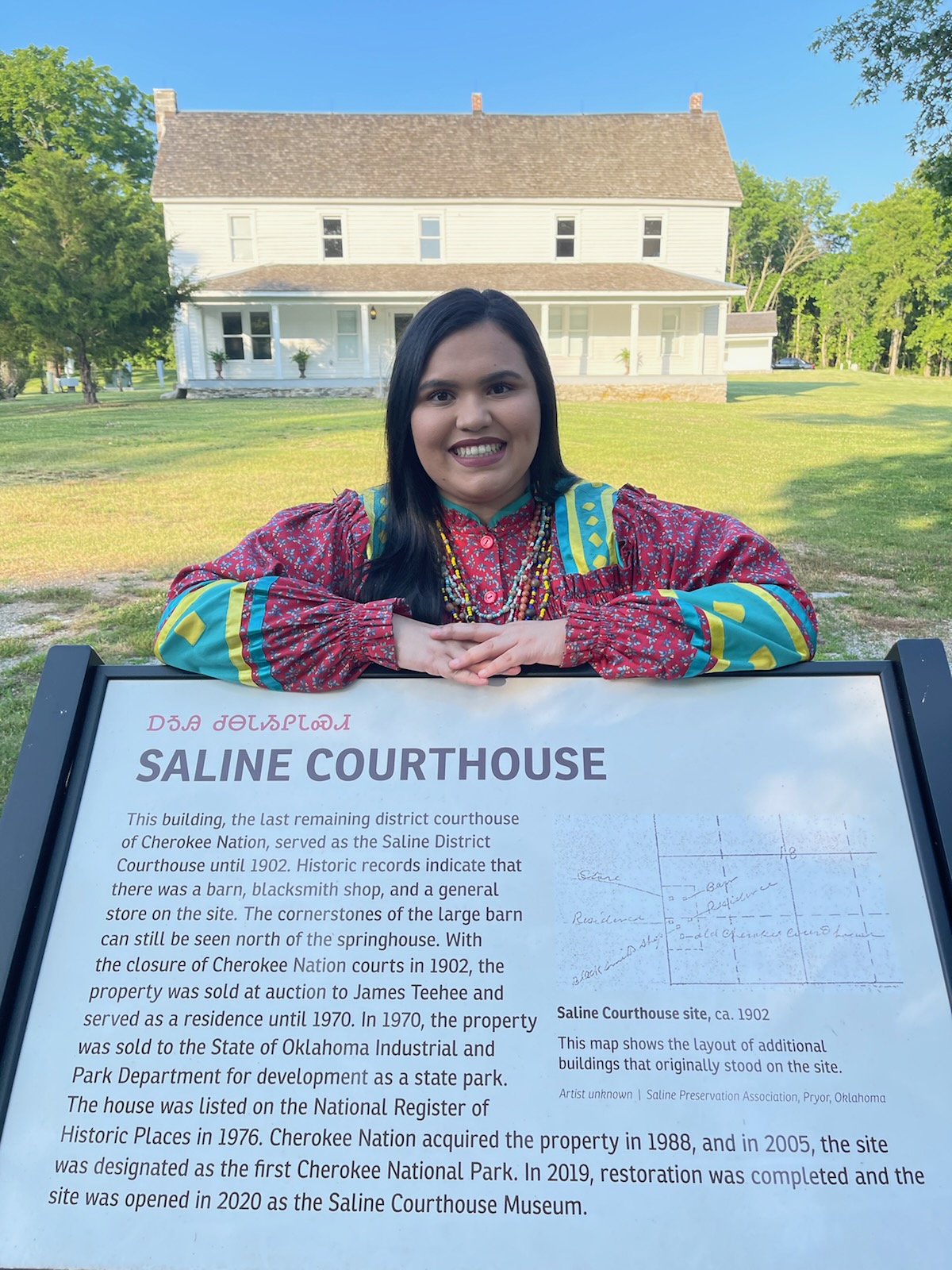
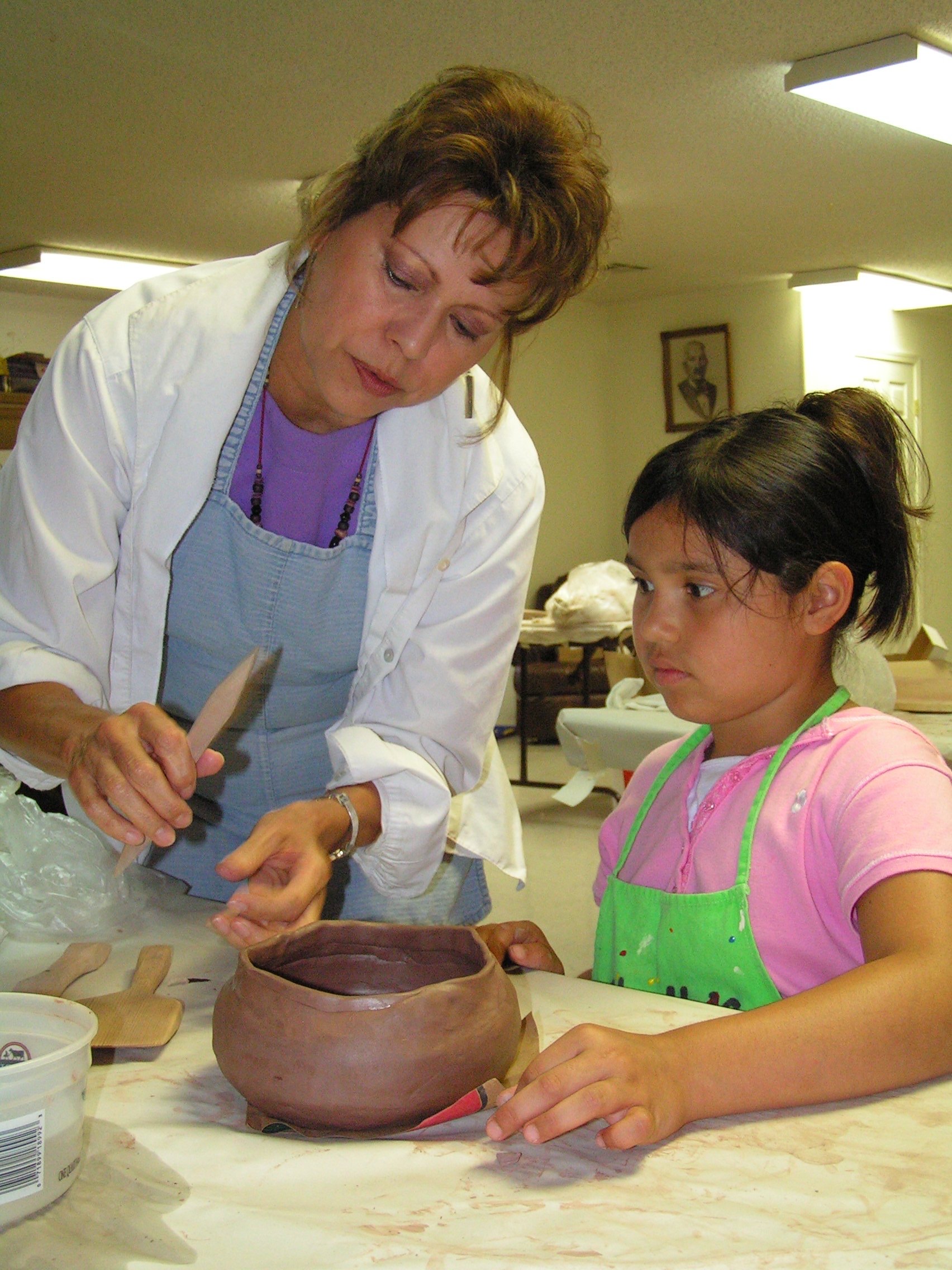
The platform offers practical entry points for youth and families. Turtle encouraged learning a traditional art, visiting an important historic site, speaking with a tribal elder, or working toward learning a Native language. The activities differ, but each asks people to become participants in cultural continuity.
“Cultural sovereignty encompasses our history, language, traditions, values, and beliefs — serving as a bridge between where we have come from and where we are going as Indigenous people,” she shared.
Turtle’s approach explains why cultural engagement can matter beyond an individual achievement. A young person gaining knowledge also helps carry that knowledge into relationships with family, peers, and future generations. In her view, cultural learning contributes to the broader strength of a nation.
The platform connects with UNITY’s emphasis on spiritual, mental, and social development through Native heritage and youth leadership. Learning from elders requires listening and relationship-building; language and history deepen understanding; sharing those experiences gives young people ways to contribute to community life.
“I hope that Indigenous youth feel inspired to proudly live and practice their traditional ways of life and continue learning and sharing their cultures in hopes of perpetuating the cultural sovereignty of our people and tribal nations,” Turtle wrote.
Her message centers continued learning as a form of service. Knowing one’s nation becomes an ongoing responsibility—and a way for young leaders to help strengthen the communities they represent.