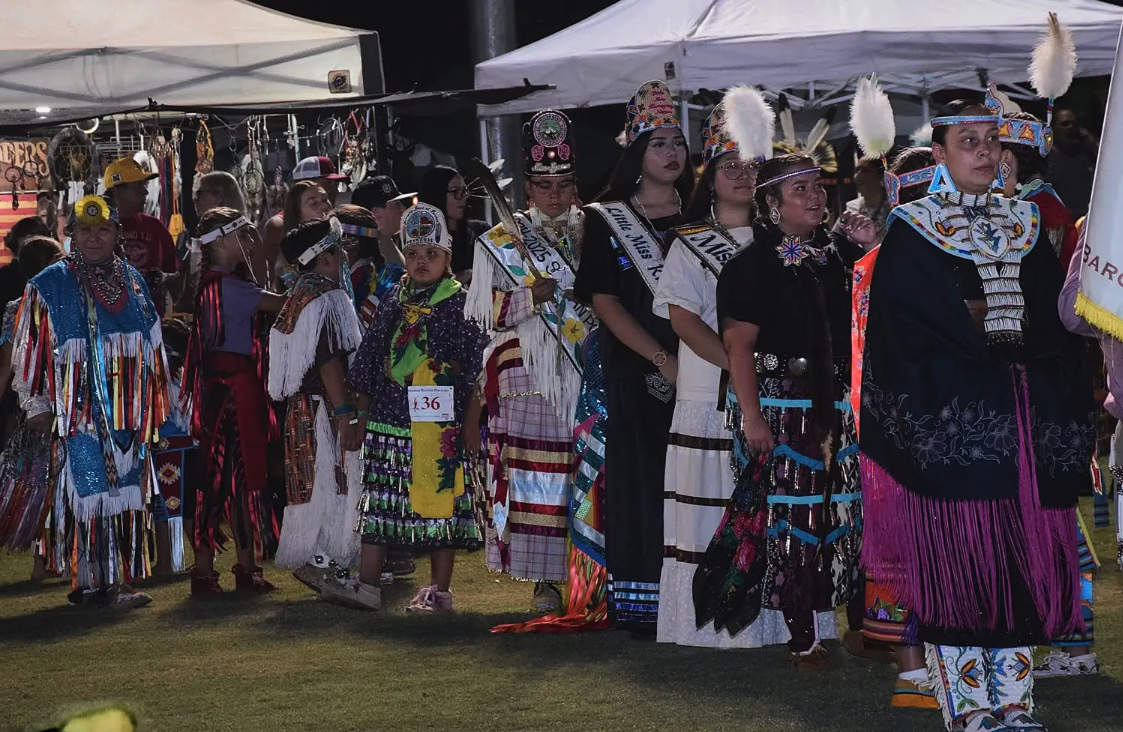
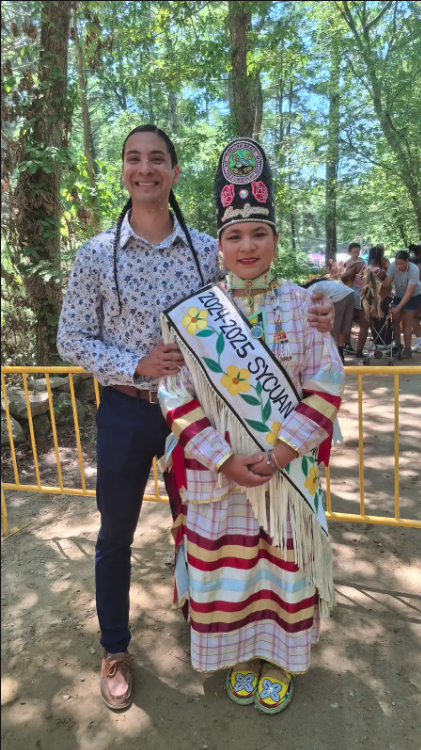
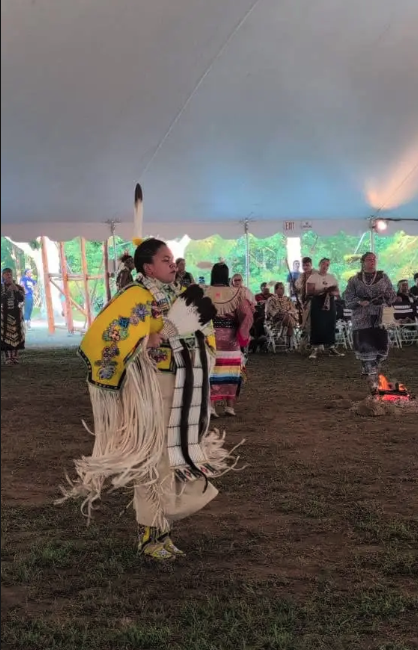
When Liliana Mars (Narragansett, Navajo) steps into the circle, she is doing far more than moving to the beat of the drum—she is carrying generations of resilience and responsibility as both a cultural leader and the Northeast Regional Representative and Secretary of the National UNITY Council Executive Committee (NUCEC). This past August, her calendar was filled with powwows, travels, and leadership duties. She danced, sang, and helped with head staff at her tribe’s 350th Annual Narragansett Powwow, participated in the Mohegan Wigwam Festival, sang and danced at the Schemitzun Feast of Green Corn and Dance Powwow hosted by the Mashantucket Pequot Tribe, and traveled west to support her stepdad’s headman duties at the Barona Powwow in California. Reflecting on such a busy month, Liliana said, “Truly it felt as if I had no time for myself in August, but honestly that’s just the life of a traveling person! I love being busy like that, especially if it has to do with dancing!”
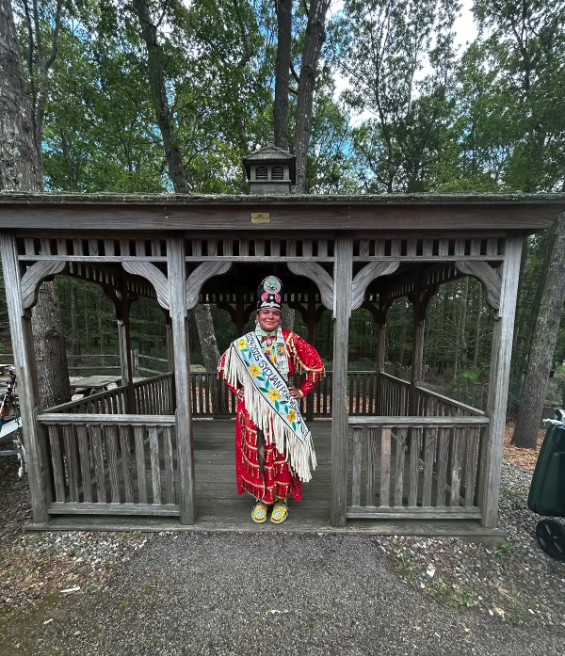
Her commitment to powwows is deeply tied to her purpose as a leader. Liliana shared, “When I dance, I dance for my people, for myself, for those who can’t dance, and for those who aren’t here anymore… truly dancing is my happy place, where I can go to heal… and truly why I’ll continue to do what I do no matter what.” In this way, she demonstrates how cultural practices serve as powerful responses to many of the Top Ten Issues Facing Native Youth. Dancing and singing not only preserve language and culture, but also provide spaces of healing that strengthen mental health. By taking on responsibilities at powwows and modeling cultural pride, Liliana shows her peers positive alternatives to risky behaviors, connecting directly to UNITY’s goals around health, healing, and substance prevention.
Liliana also makes it a point to build bridges with other Native leaders. At the Mohegan powwow, she met UNITY’s 25 Under 25 awardee, Kiara Tanta Quidgeon, a moment that reinforced the importance of Native youth connecting across regions. She also participated in her first NUCEC call with representatives from across the country. These spaces of dialogue and collaboration highlight the civic engagement that UNITY encourages youth to embrace. Liliana’s presence in both the powwow arena and leadership circles demonstrates how cultural identity and civic leadership are interconnected.
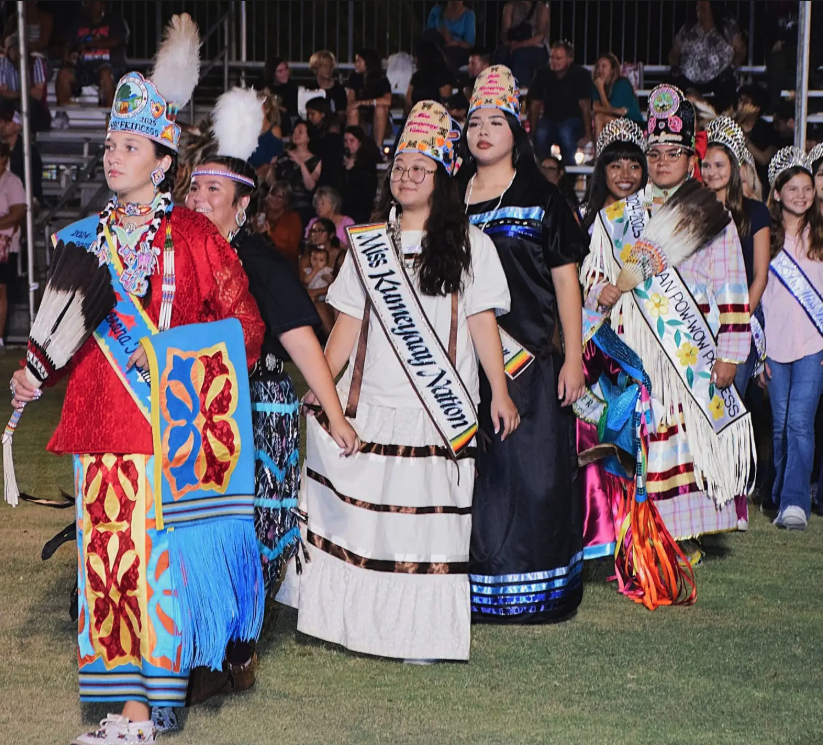
The National UNITY Council itself is built on this same principle of collective action. Made up of representatives from over 300 Native youth councils, the NUC identifies pressing challenges each year through the adoption of the Top Ten Issues Facing Native Youth. From mental health to cultural preservation, these priorities guide local youth councils as they design and implement service projects in their communities. Through this structure, Native youth are not working in isolation but contributing to a national movement. Each powwow attended, workshop hosted, or youth-led event adds to the ripple effect of change across Indian Country.
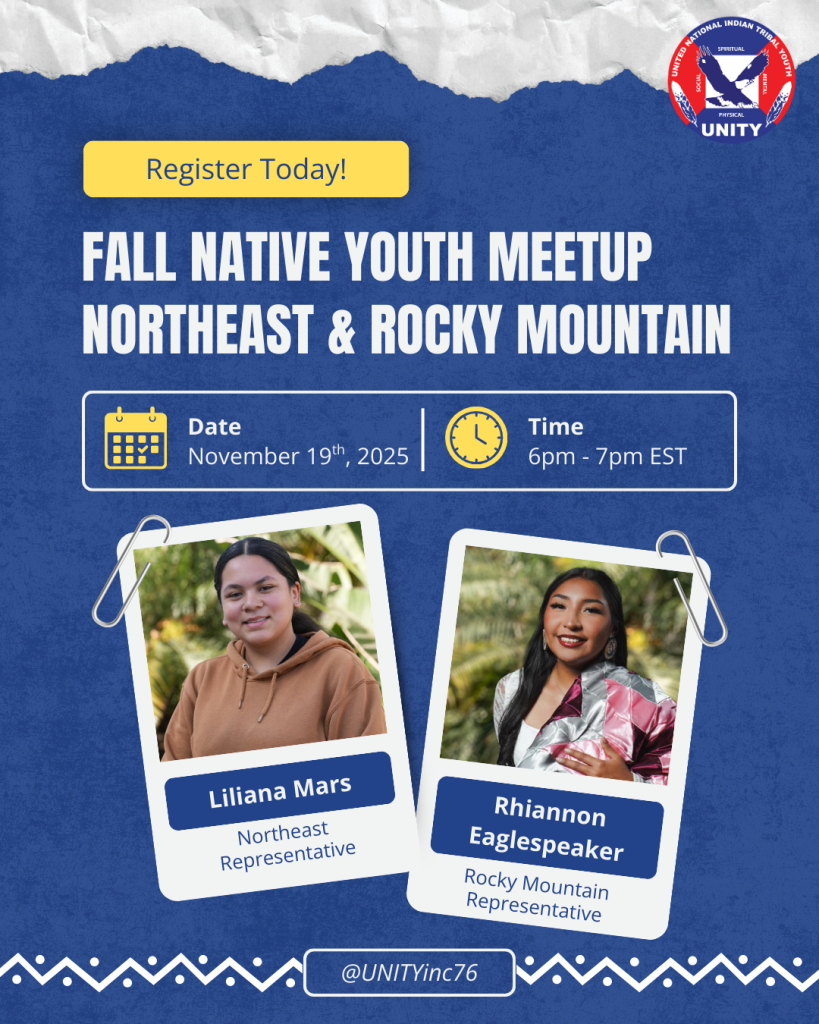
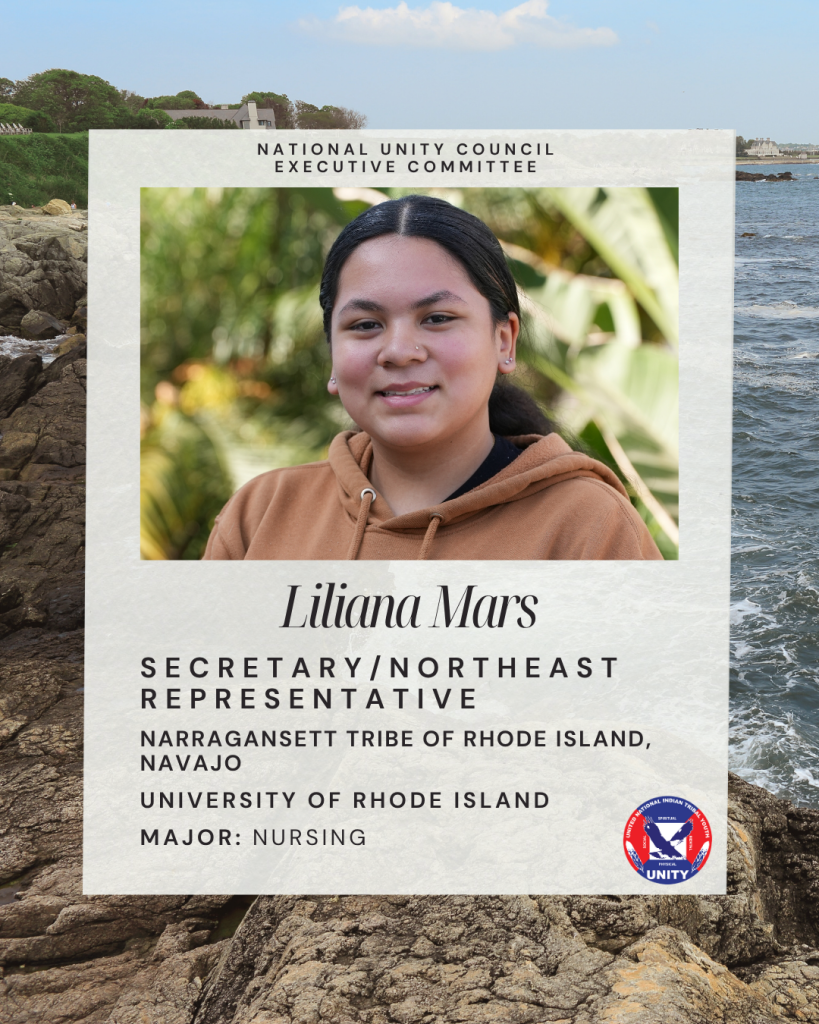
As NUCEC Secretary and Northeast Regional Representative, Liliana is a vital voice in this process. She carries the concerns and hopes of Native youth from her region into national conversations while also encouraging them to take action locally. Her example shows that leadership can be rooted in cultural traditions while also driving civic engagement and collective solutions. “When I dance, I dance to heal,” she reminds us, and in doing so, she models for other Native youth how healing and leadership are inseparable.
For other youth councils inspired by Liliana’s journey, there are countless ways to connect culture and leadership to the Top Ten Issues. Councils might organize cultural workshops to pass on traditional songs and dances, host youth-led mental health awareness events rooted in cultural healing, or create mentorship programs pairing elders with young leaders to strengthen language preservation. Others could partner with tribal leaders to plan community safety initiatives or host powwow internships that train young people in organizing and leadership roles. Each of these projects reflects UNITY’s belief that grassroots service leads to collective impact.
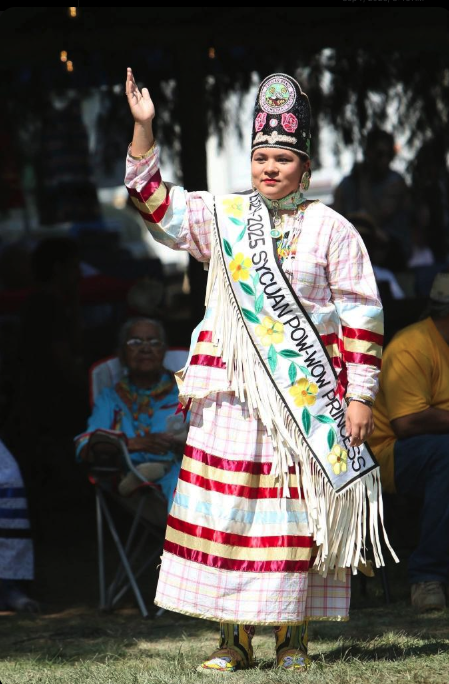
Liliana’s story is an invitation to other Native youth in the Northeast and beyond. Whether through dancing, organizing community initiatives, or joining their local UNITY youth council, there are countless ways to get involved and address the issues that matter most. By reaching out to their regional representatives, youth can find support, resources, and collaboration opportunities to make a lasting difference. Together, through UNITY, young leaders like Liliana are ensuring that Native voices are heard, cultures are preserved, and future generations are empowered to carry the circle forward.