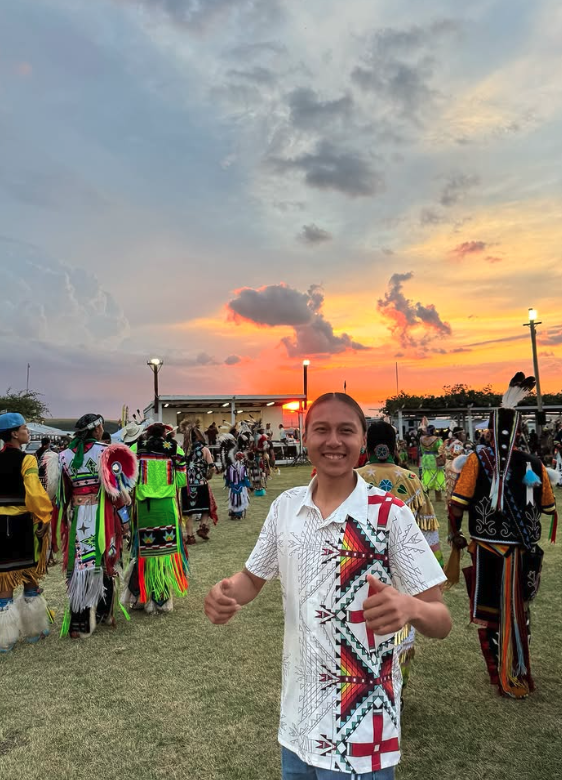
For Watson Whitford (Chippewa Cree/Navajo), service and leadership are not just roles— they are a way of life. As one of the Co-Presidents of the National UNITY Council Executive Committee, Watson balances the demands of university life with the responsibility of representing Native youth on a national stage. This August, his journey carried him from powwow grounds to the classrooms of Montana State University, reflecting his ability to ground his leadership in both tradition and education.
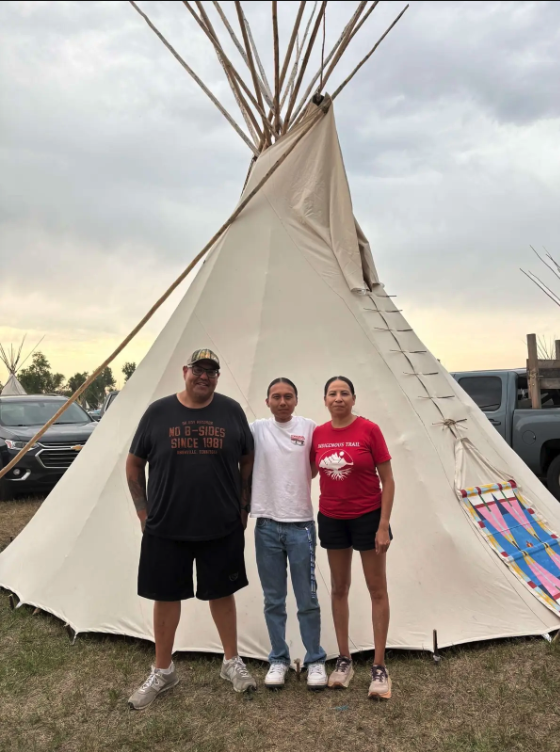
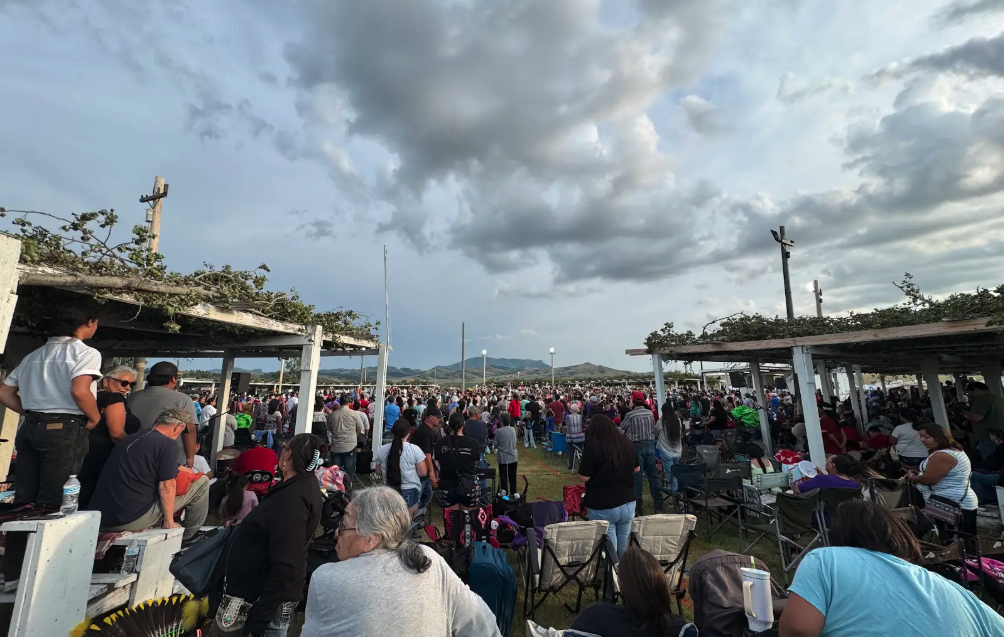
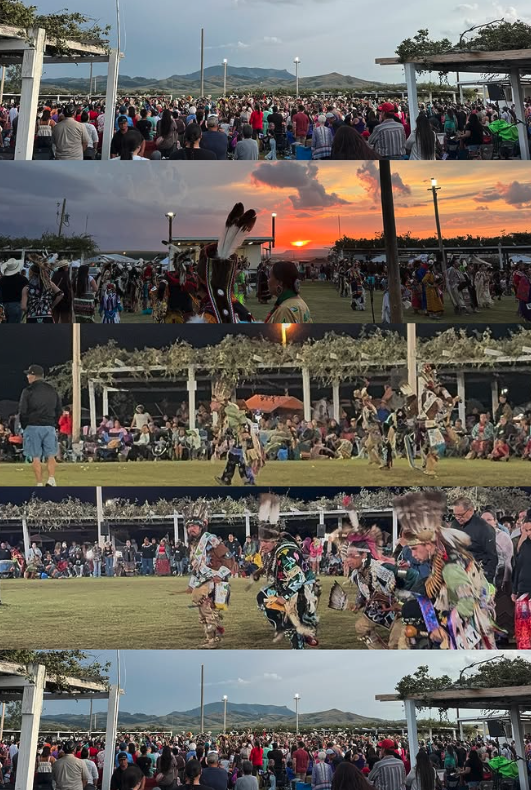
At the beginning of the month, his community celebrated the 61st Annual Rocky Boy Pow Wow Celebration, where Watson met one of the makers of the UNITY drum. That connection sparked an invitation to learn about Ojibwe traditional practices on their homelands. “I hope to continue that relationship and travel out that way,” he shared, highlighting his openness to lifelong learning and cross-tribal connections.
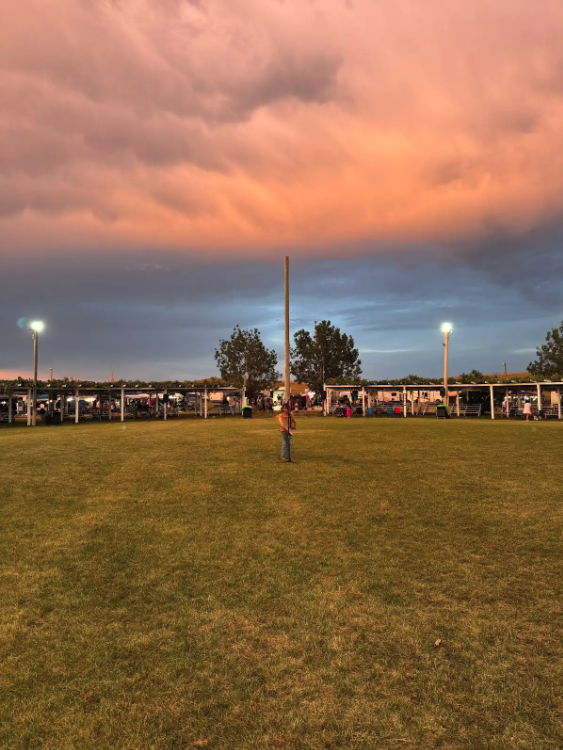
Before his university classes began, Watson traveled to other powwows, including the Crow Fair Celebration, where he experienced a powerful moment of cultural kinship. “In this adoption former representative Oshay Birdinground adopted me as his brother. We celebrated this adoption with a Prairie Chicken Dance special. I am very thankful for the opportunity of friendships turning into family,” Watson explained. This experience reflects one of UNITY’s guiding values—building meaningful relationships that strengthen Native communities across tribal nations.

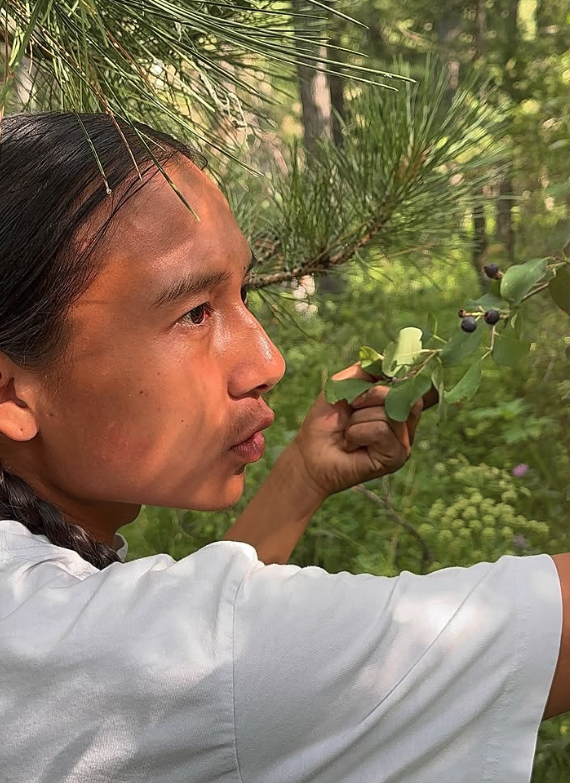
Watson also started his third year at Montana State University, pursuing a degree in Environmental Horticulture. While the transition back to school came with challenges—including finding a place to live—he credits his faith and community support for helping him find stability. “Thankfully through prayer and outreach I have been blessed with a beautiful place to stay while attending university,” he said. His focus on education ties directly to the Top Ten Issues Facing Native Youth, particularly in addressing college readiness, housing insecurity, and strengthening community health through environmental stewardship.
Watson’s impact, however, extends beyond his own experiences. On the powwow trail, he consistently advocates for UNITY and encourages others to step into leadership roles. UNITY Earth Ambassador Codie Horse-Topetchy recalled how Watson encouraged her to apply for the Earth Ambassadors program when they first met. That encouragement helped launch her journey, and now she travels nationally, teaching others about the ecological importance of bison and prairie restoration. This ripple effect exemplifies Watson’s leadership style—humble, rooted in community, and guided by the wisdom of both peers and elders.
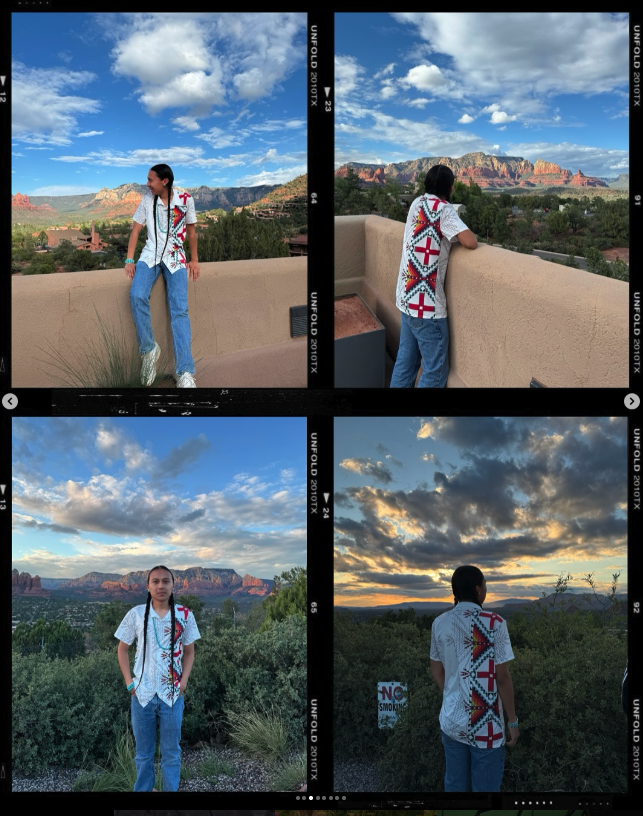
The National UNITY Council, made up of representatives from more than 300 Native youth councils nationwide, thrives on leaders like Watson. Every year, councils unite to identify the Top Ten Issues Facing Native Youth, creating a framework for projects that address mental health, cultural preservation, education, and civic engagement. As Co-President, Watson helps guide this process, ensuring Native youth voices are heard and that grassroots projects connect to a broader national movement.

In every role—whether as a powwow dancer, a student, or a national representative—Watson embodies UNITY’s mission of inspiring hope and strengthening Native youth leadership. His story is a reminder that leadership can come from listening, encouraging others, and honoring traditions while preparing for the future. “Friendships that turn into family are the best kinds of connections that you can make,” Watson reflected, and in many ways, his leadership ensures that UNITY itself feels like one extended family, united by purpose and vision.
For Native youth looking to get involved, Watson’s example shows that servant leadership begins with community. By reaching out to their regional representatives, youth can find opportunities to grow, organize, and make a difference on issues that matter most. With leaders like Watson at the helm, the National UNITY Council continues to serve as a collective voice, guiding Native youth to heal, to lead, and to thrive.