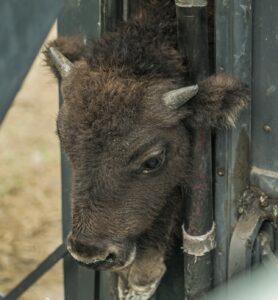
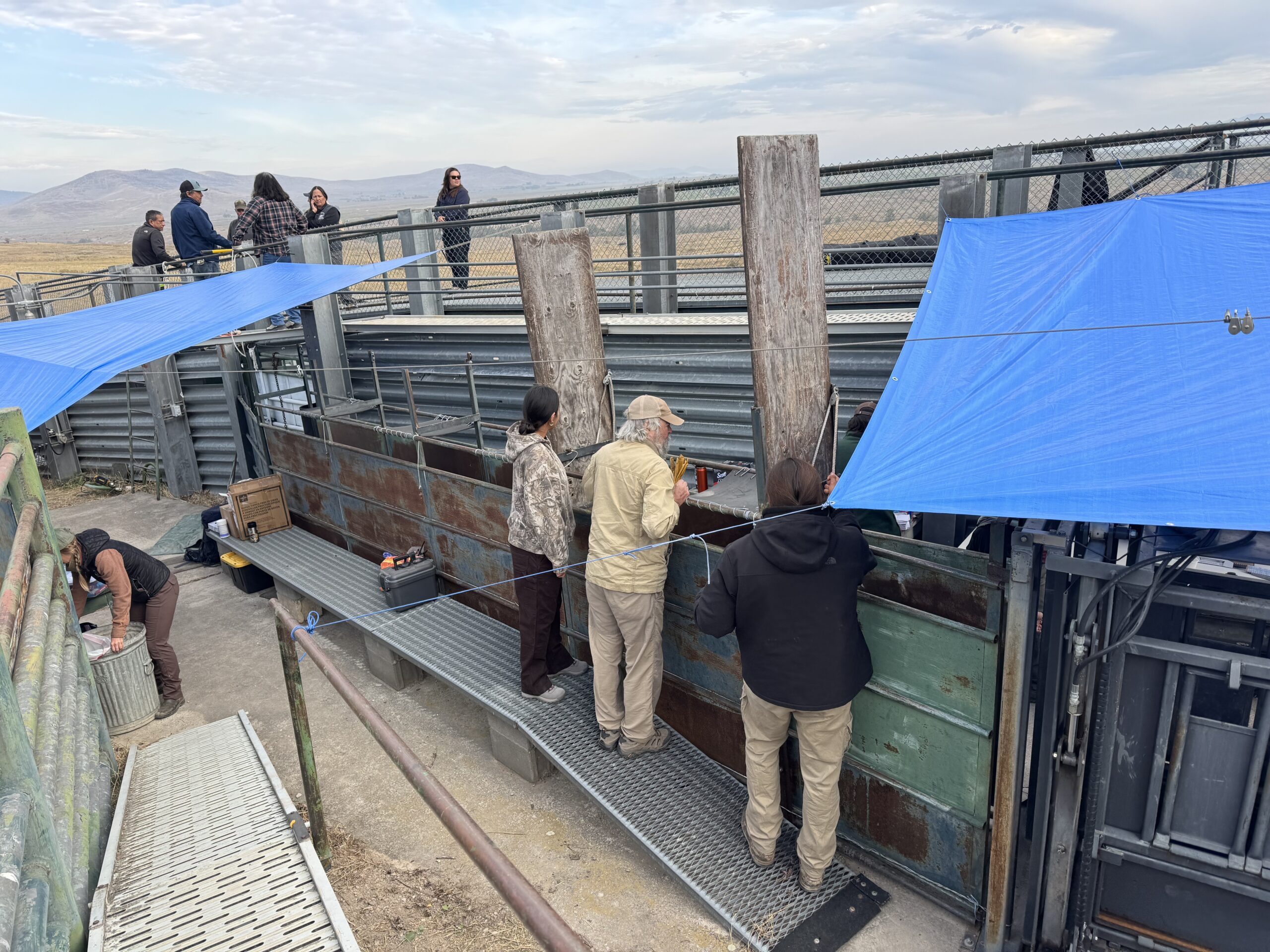
This month, Codie Horse-Topetchy traveled to the Flathead Indian Reservation in Montana to take part in the second annual Bison Round-Up hosted by the Confederated Salish and Kootenai Tribes (CSKT). The event brought together tribal leaders, wildlife professionals, veterinarians, and volunteers, all working toward a shared goal: protecting and restoring one of the most sacred relatives in Indigenous communities—the buffalo. “The event brought together tribal wildlife professionals, biologists, veterinarians, buffalo caretakers, and volunteers to ensure the continued health and wellbeing of the bison herd,” Codie shared.
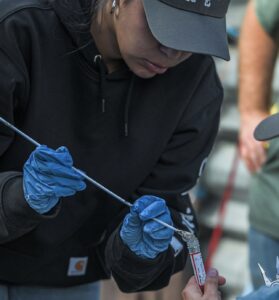
As part of the round-up team, Codie gained hands-on experience in wildlife management, participating directly in collecting biological samples such as blood, hair, and nasal swabs. These samples play a critical role in monitoring herd health, tracking disease, and preserving genetic diversity. “These samples are sent to laboratories for analysis to monitor herd genetics, track disease presence, and assess overall herd health,” Codie explained. This work is essential not only for conservation science but also for the long-term sustainability of buffalo populations across tribal lands.
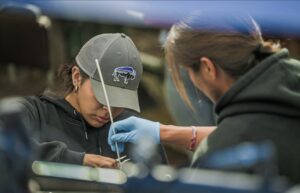
Beyond the technical aspects, Codie also witnessed the deep respect and intentional care that goes into handling the animals. From moving bison through corrals to observing veterinary procedures, every step was rooted in both science and cultural understanding. “The team emphasized low-stress handling techniques and the importance of respecting the animals’ natural behavior,” Codie noted. This approach reflects a balance between modern conservation practices and traditional teachings that honor the buffalo as relatives, not resources.
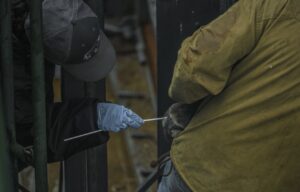
This experience was made possible through Codie’s apprenticeship with the Intertribal Buffalo Council (ITBC), where they are actively learning about tribal-led conservation efforts. Through this program, Codie is gaining insight into how Indigenous nations are leading the movement to restore buffalo populations and revitalize cultural connections. “Participating in the CSKT Bison Range round-up gave me a deeper understanding of how tribal nations are leading the way in restoring and protecting buffalo populations across North America,” they shared.
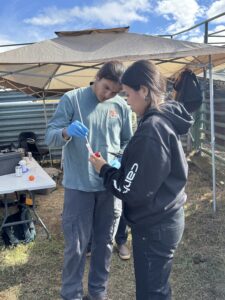
The round-up also served as a powerful educational moment—demonstrating how traditional ecological knowledge and modern science can work together to create sustainable solutions. Codie left the experience with new skills, stronger connections, and a renewed sense of purpose. “I gained practical skills in wildlife health monitoring, learned from experienced professionals in the field, and witnessed firsthand how traditional stewardship and modern science come together in buffalo restoration,” they reflected.
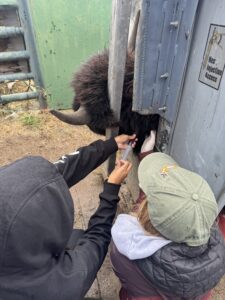
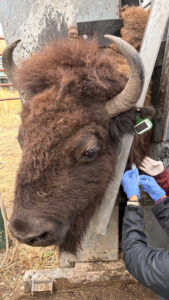
At its core, this experience was about more than conservation—it was about cultural restoration, responsibility, and relationship to the land. “It was powerful to see how the work being done on the range supports both ecological balance and cultural restoration,” Codie shared. Through their work, they are helping carry forward a legacy of stewardship that has existed for generations.
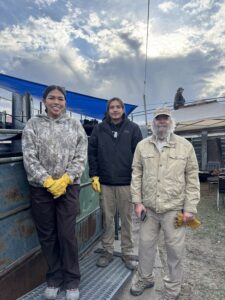
The UNITY Earth Ambassador Program continues to uplift leaders like Codie Horse-Topetchy who are reconnecting with traditional practices while advancing environmental solutions in their communities. This year’s cohort represents a dynamic force of Indigenous youth who are blending knowledge systems, building skills, and taking action to protect the Earth. Whether in the field, the classroom, or their communities, these Earth Ambassadors are proving that the future of conservation is Indigenous-led, culturally grounded, and deeply connected to the land.