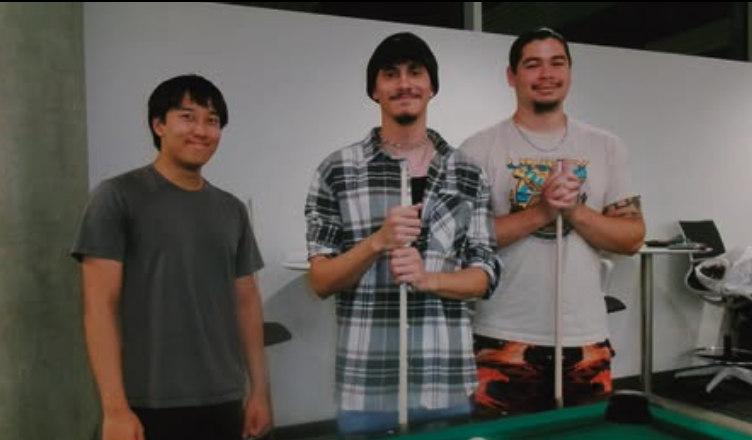
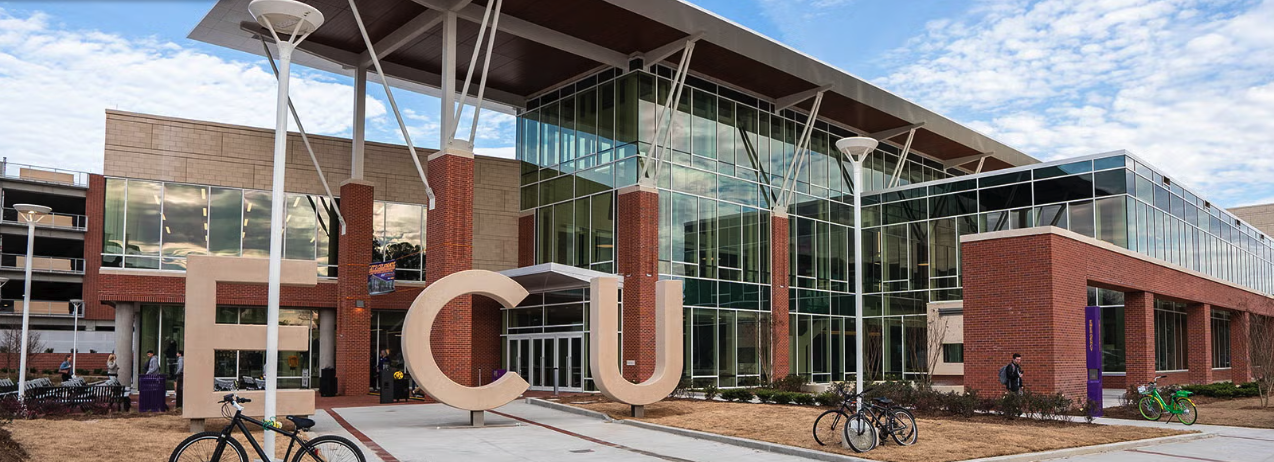
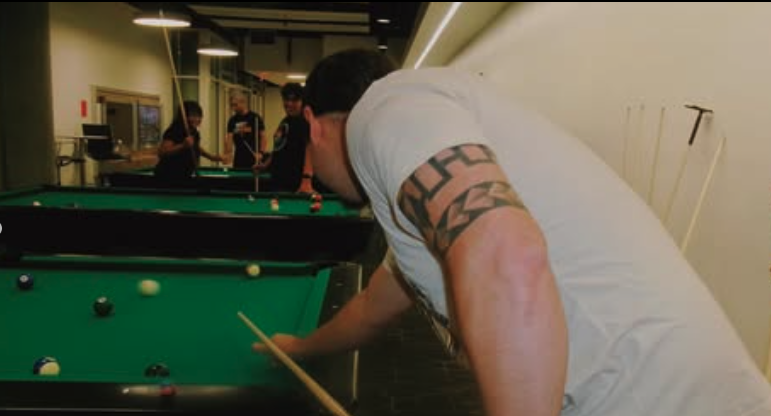
The start of a new school year can be intimidating, but for Ethan Hedgepeth (Cherokee & Tuscarora), it came with an important realization—he’s not alone. As a Southeast Representative on the National UNITY Council Executive Committee, Ethan carries the responsibility of serving Native youth in his region while also navigating college life at East Carolina University. In August, he took a meaningful step by connecting with fellow Native students through the East Carolina Native American Organization. “It meant a lot to me because I now know that I’m not the only Native that goes to ECU,” Ethan shared.
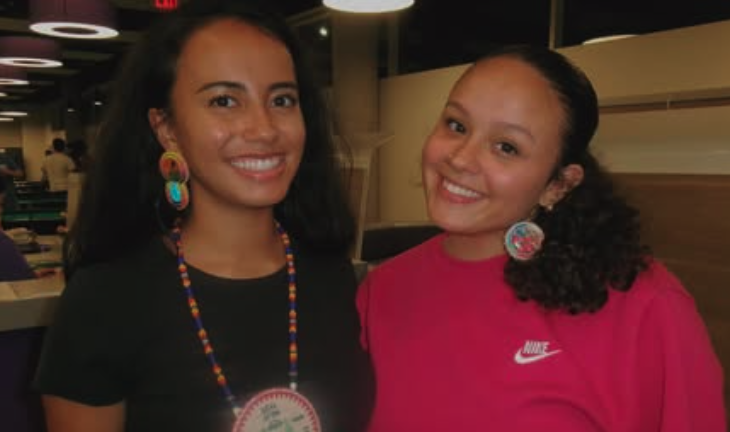
Finding peers with shared cultural identities is not just about comfort—it’s about empowerment. For Ethan, building connections at ECU reflects the broader mission of UNITY and the Top Ten Issues Facing Native Youth, particularly creating support systems for mental health, college success, and cultural identity in higher education. In spaces where Native students often feel underrepresented, peer networks like the East Carolina Native American Organization provide community, encouragement, and belonging.
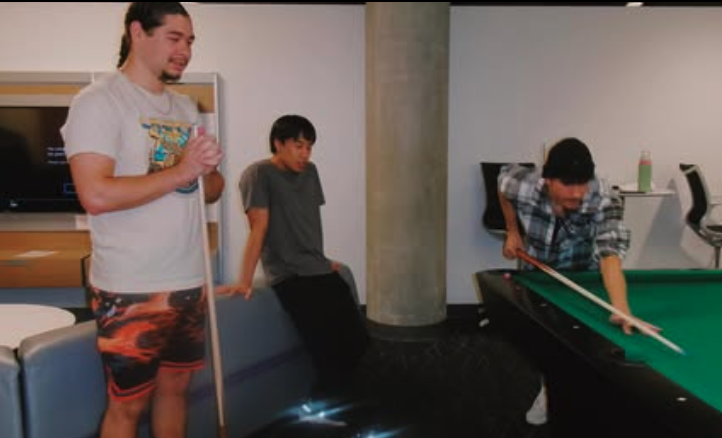
As an Executive Committee member, Ethan’s experience models the importance of seeking out community wherever Native youth find themselves—whether at tribal gatherings, in urban centers, or on college campuses. These connections ensure that Native voices are heard and that youth can lean on each other for strength and leadership. His story is a reminder that leadership doesn’t only happen at national conferences or powwows—it also begins in everyday acts of building community.
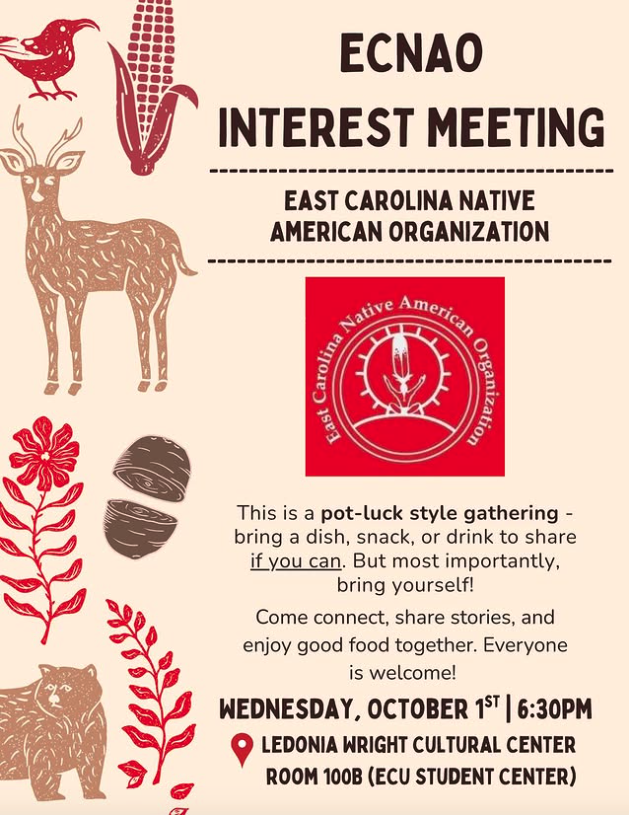
The National UNITY Council, made up of more than 300 youth councils nationwide, thrives on this very principle of connection. Each representative carries their local experiences to the national level, creating a network where individual stories, like Ethan’s at ECU, contribute to the collective impact of UNITY. Ethan’s journey demonstrates how Native youth can find strength in numbers and turn personal connections into opportunities for leadership. By reaching out to organizations on campus or within their communities, Native youth can address the issues that matter most—mental health, cultural preservation, and civic engagement—while also uplifting each other. His message is simple but powerful: no one has to walk this path alone.