Tia Butler’s month was rooted in intention. Whether preparing plant starts for Tribal and community members through the Siletz Food Sovereignty Program or visiting Indigenous-centered museum exhibits in the San Francisco Bay Area, Tia spent her time learning, reflecting, and giving back. Her leadership shows how Native youth can nurture community wellness through food sovereignty, environmental knowledge, cultural appreciation, and service grounded in care.
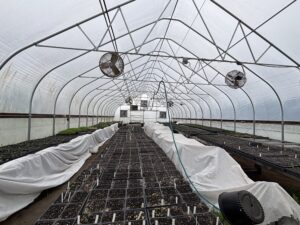
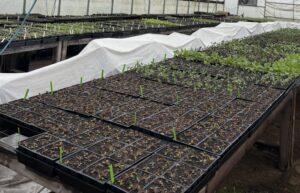
Tia spent time working with the Siletz Farm and Siletz Food Sovereignty Program to prepare plants that will be gifted back to the community. She shared that last year, more than $150,000 in plant starts were gifted to Tribal and community members, and this year the program hopes to surpass that amount. The Confederated Tribes of Siletz Indians Garden Program includes a Food Sovereignty Box Program that works directly with Tribal members and families during the growing season, showing how food sovereignty efforts can support health, access, and community connection.
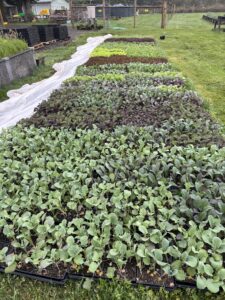
For Tia, preparing those plants was meaningful because she knew the work would return to the people. She shared, “I spent a lot of time working on something I knew would go back to the community, which felt of importance, and I enjoyed being able to put good energy and intent into those gifts.”
Food sovereignty is more than growing food. It is about restoring relationships with land, seeds, traditional foods, community health, and Indigenous self-determination. Tia’s work preparing plants reflects a powerful kind of service project—one that begins with hands in the soil and ends with families receiving gifts that can nourish their homes. By helping prepare plant starts for community distribution, Tia supported a program that strengthens access to fresh foods while honoring Indigenous knowledge connected to plants, land stewardship, and seasonal responsibility.
Tia also spent time in the San Francisco Bay Area visiting museums, including the de Young Museum. There, she viewed Indigenous art exhibits that uplift Native creativity, teachings, and regalia. The de Young’s Arts of Indigenous America galleries present works from across Native North America, and its “Rooted in Place: California Native Art” installation centers California Native artistic expression and connection to place. For Tia, seeing Indigenous inclusion in museum spaces was both meaningful and beautiful. Her reflection shows how representation in public learning spaces matters, especially when museums make room for Native art, knowledge, and cultural context.
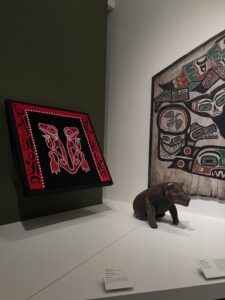
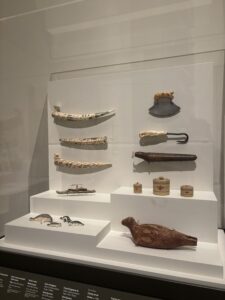
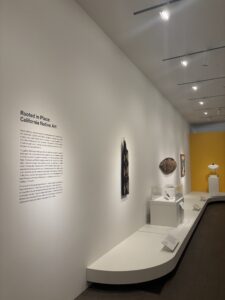
Tia also visited the California Academy of Sciences, where she appreciated exhibits and educational content connected to Indigenous science and Traditional Ecological Knowledge. The Academy has highlighted Traditional Ecological Knowledge through educational resources and short films on Native relationships to land, including “two-eyed seeing,” which brings Indigenous knowledge systems and Western science into conversation.
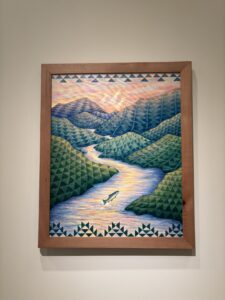
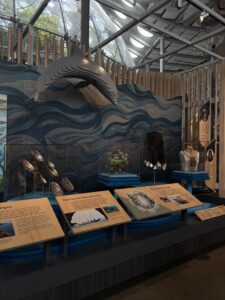
Tia shared that the museums included information on TEK, Indigenous art, teachings, and regalia pieces. She reflected that the experience was “both educational and so beautiful and easy to appreciate.”
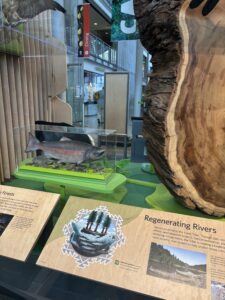
Her experience connects directly to her food sovereignty work. Both the farm and the museum visits affirmed the importance of Indigenous knowledge systems—whether they are carried through plants, art, science, teachings, or community practice. Tia shared that these experiences were especially meaningful as she prepared for surgery. Her month was shaped by care: care for community through plant gifts, care for herself through learning and reflection, and care for culture through honoring Indigenous art and knowledge.
Her leadership reminds us that Native youth do not have to separate wellness from service. Sometimes the work that heals the community can also help ground the leader doing it.
The National UNITY Council uplifts Native youth, Native Hawaiian youth, and Alaskan Native youth by creating opportunities to study common concerns, strengthen leadership skills, and speak with a positive and unified voice. Tia’s work reflects this mission through food sovereignty, environmental education, cultural appreciation, and community-centered service.
As the Northwest Regional Representative on the National UNITY Council Executive Committee, Tia Butler plays an important role in representing Native youth voices from her region while helping strengthen UNITY’s national network. Her month of service shows that leadership can grow from seeds, soil, art, science, and intention—and when Native youth lead with care, the whole community can bloom.