The National Council of Urban Indian Health is sharing several community updates, policy developments and health resources supporting Urban Indian Organizations and American Indian and Alaska Native communities.
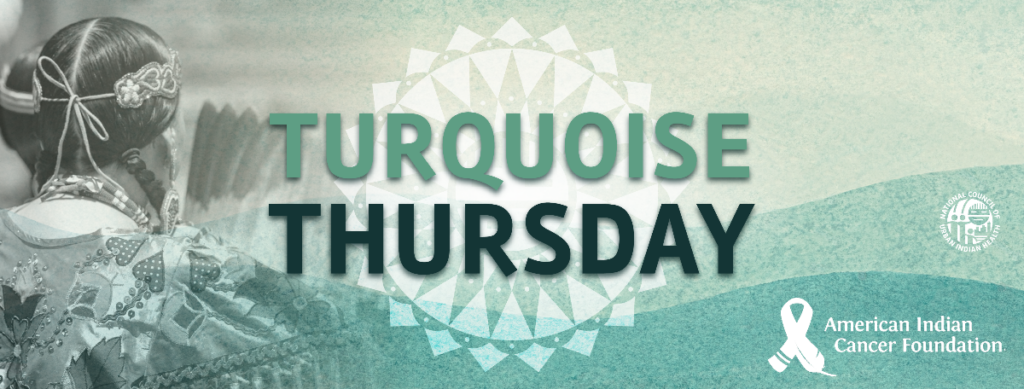
Community members are encouraged to recognize Turquoise Thursday on January 15, 2026, to raise awareness about cervical cancer screening and HPV prevention. Because cervical cancer can develop without noticeable symptoms, routine screenings and early detection are important for protecting long-term health. Relatives and community partners can support the campaign by wearing turquoise, starting conversations and sharing NCUIH’s educational graphic.
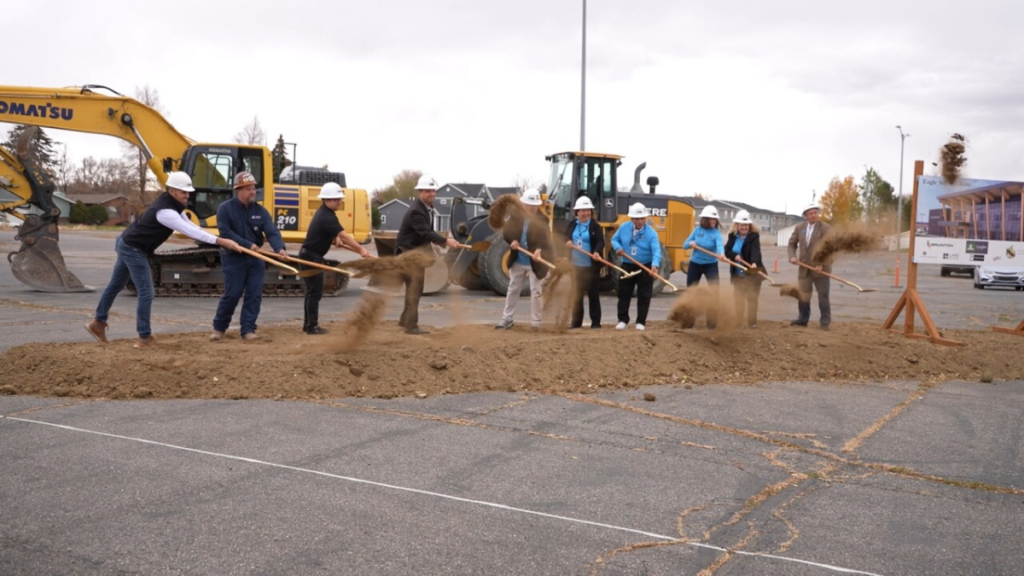
In Montana, the Billings Urban Indian Health and Wellness Center has broken ground on the Eagle Seeker Clinic, a two-story, 3,500-square-foot expansion designed to address the growing medical, behavioral health and cultural needs of urban Native people. The clinic will provide primary care, behavioral health and optometry services while creating space for culturally grounded healing and community connection. Expected to open in 2027, the project reflects years of community-driven planning and will create additional opportunities for healthcare, employment and relationship-building across Billings. NCUIH continues to highlight the work of Urban Indian Organizations throughout the country, and organizations interested in sharing their stories may contact [email protected].
NCUIH has also released information about protections for American Indian and Alaska Native people under the One Big Beautiful Bill Act, which was signed into law on July 4, 2025. The law created new requirements related to Medicaid and the Supplemental Nutrition Assistance Program, but Indians, Urban Indians, California Indians and people determined eligible for Indian Health Service programs are exempt from the new Medicaid requirements. American Indian and Alaska Native people are also included in exemptions from the law’s SNAP work requirements. The Centers for Medicare and Medicaid Services has issued an informational bulletin summarizing these exceptions and stated that it will continue working with Tribal Nations as additional guidance is developed. NCUIH has urged CMS to ensure the exemptions are clearly and consistently implemented so Native beneficiaries do not face unnecessary barriers or disruptions in coverage.
The Indian Health Service is also continuing its proposed agency realignment. On December 5, 2025, the IHS Chief of Staff released a letter to Tribal and Urban Indian leaders announcing additional in-person meetings and a virtual Tribal Consultation. The agency also released a realignment narrative and draft organizational chart. The proposal, first announced during the summer of 2025, is intended to create a more patient-centered, self-determination-driven, operationally efficient and financially sustainable healthcare system. Tribal Nations and Urban Indian Organization leaders are being encouraged to review the proposal and provide feedback. During this process, IHS also announced a leadership transition. On December 2, Chief of Staff Clayton Fulton assumed the delegable authorities and responsibilities of the IHS director while the position remains vacant.
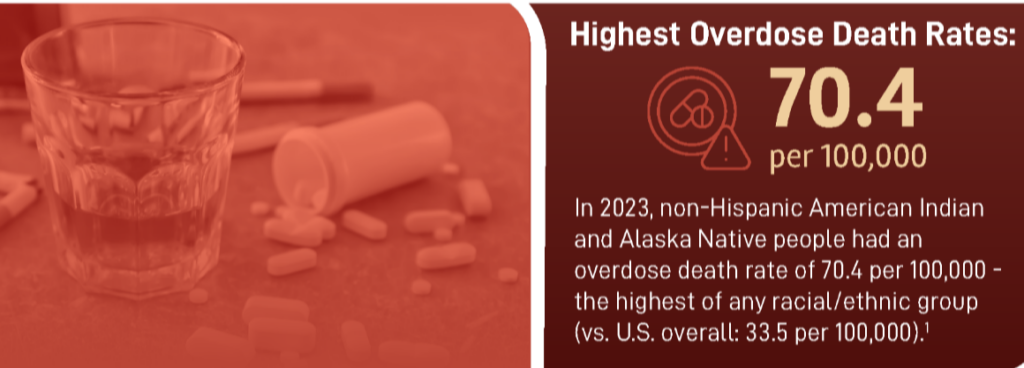
NCUIH is continuing its work to strengthen federal action on overdose prevention through a partnership with the Global Health Advocacy Incubator. Together, the organizations hosted a congressional briefing and developed educational materials focused on substance use and overdose in American Indian and Alaska Native communities. Native people continue to experience some of the highest overdose death rates in the country. Provisional federal data showed a rate of 67.9 overdose deaths per 100,000 American Indian and Alaska Native people in 2022, more than twice the national rate. These disparities affect both rural and urban Native communities and are connected to longstanding inequities in healthcare access, underfunding of the Indian Health Service and the impacts of historical and ongoing trauma. NCUIH has also developed a new resource explaining substance use disorder and overdose disparities and identifying opportunities for culturally responsive prevention, treatment and recovery.
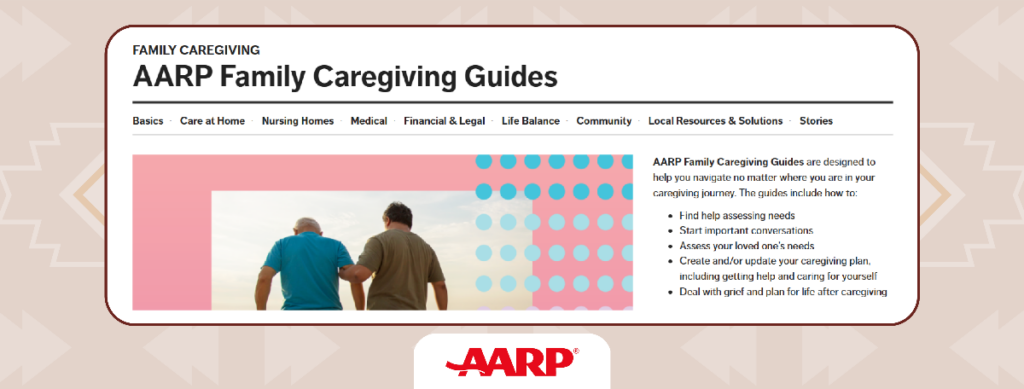
Several additional health and wellness resources are available for community members and service providers. AARP’s Family Caregiving Guide: A Guide for Caring for Older Adults offers information to help caregivers assess a relative’s needs, prepare legal and financial documents, locate services and build a support system. Urban Indian Organizations and other providers are encouraged to share the guide with current and future caregivers.
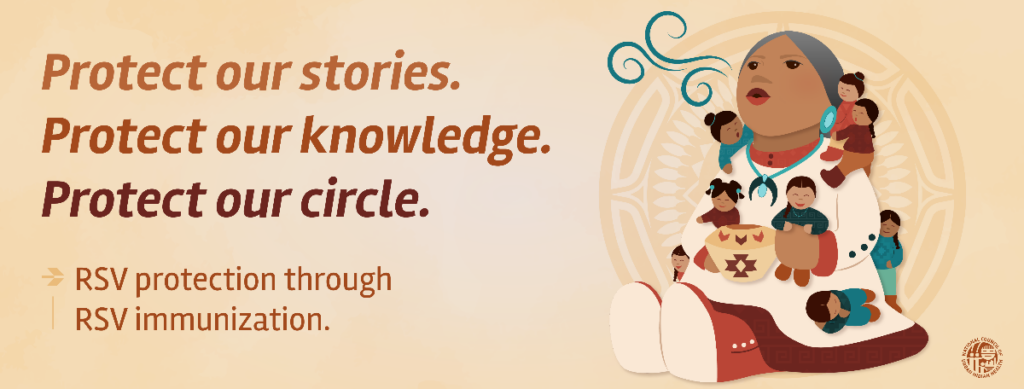
NCUIH has also launched an RSV Vaccine Toolkit to support prevention and vaccine awareness in Native communities. The toolkit includes posters, social media graphics, newsletter content and culturally inspired illustrations focused on protecting infants, elders and other relatives who may face a higher risk of serious illness. Organizations can also explore influenza vaccination materials and best practices through NCUIH’s Knowledge Resource Center.
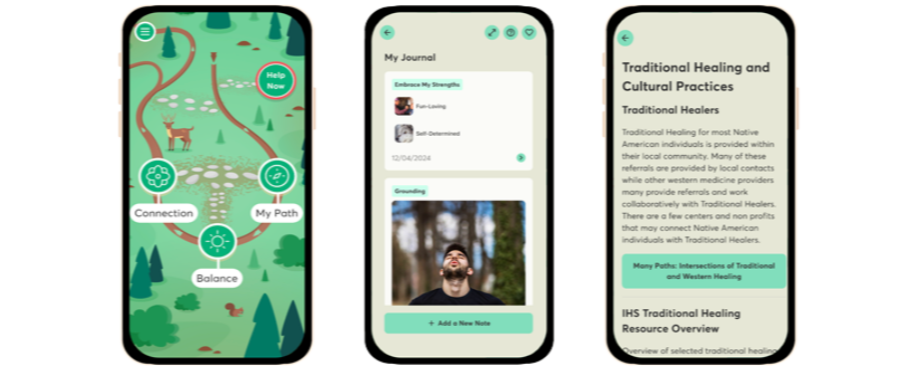
A new mental health resource is available for Native veterans through the U.S. Department of Veterans Affairs. The Veterans Wellness Path app was developed with input from American Indian and Alaska Native veterans and is designed to support the transition from military service to home and community life. The app offers daily check-ins, wellness guidance and resources related to concerns such as post-traumatic stress disorder. It also encourages balance and stronger connections with self, family, community and the environment.