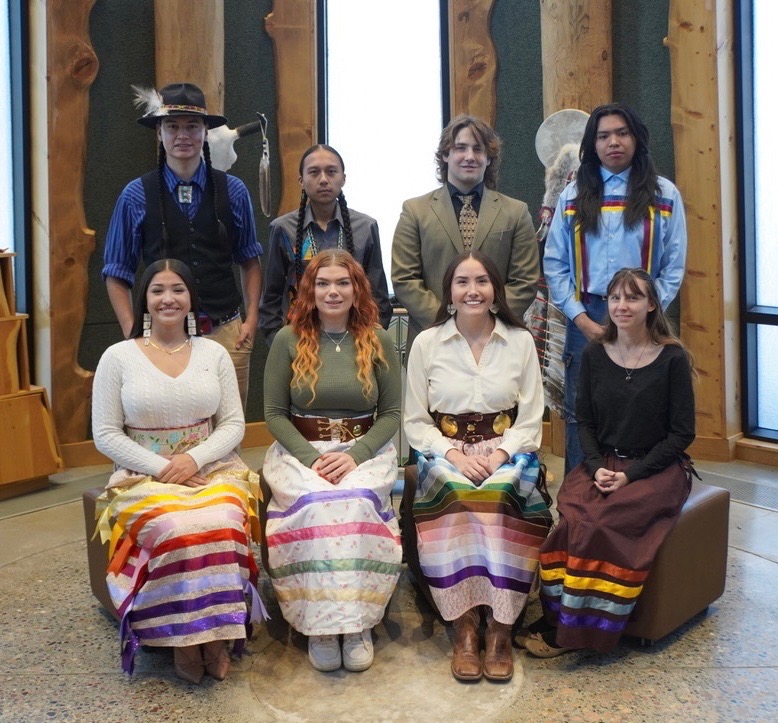
When Indigenous youth step into leadership spaces—on campus, on the field, and in front of tribal leaders—real change begins. This November, Watson Whitford (Chippewa Cree/Navajo), Male Co-President of the National UNITY Council Executive Committee, demonstrated what it means to lead at every level.
While continuing his studies at Montana State University in Bozeman, Montana, Watson balanced academic preparation with his role as Social Chair for the American Indian Council (AIC). In that position, he plans events that create belonging for Native students on campus. This month, AIC hosted a casino night—an intentional space where students could relax, connect, and take a break from academic pressures. The event brought strong attendance and reinforced the importance of culturally grounded community spaces in higher education.
Watson’s leadership extended beyond social engagement. He met with the Elk River Youth Council in Billings, Montana, to discuss plans for a potential 2026 Rocky Mountain Regional conference. The youth council shared their vision for a gathering focused on leadership, sports, art, and culture for Indigenous youth living in both urban and reservation communities. Watson’s collaboration reflects UNITY’s commitment to strengthening regional networks and expanding opportunities for Native youth leadership development.
One of the most historic moments of the month unfolded at Montana State University. The American Indian Council hosted the football team at the American Indian Hall for a Native American Heritage Month presentation and partnership announcement. On November 15, the MSU football team wore special helmets featuring the American Indian Council logo and Native-inspired designs. The Bobcat Singers, an MSU drum group, performed an honor song to open the game. During halftime, a video highlighting Indigenous students was shown on the Jumbotron, and the American Indian Council was presented with its own commemorative helmet. The event marked a significant milestone in Indigenous visibility and recognition on campus.
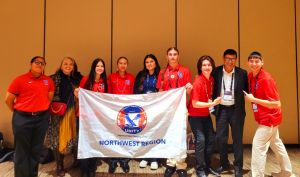
Watson also traveled to Seattle, Washington, to attend the annual convention of the National Congress of American Indians (NCAI) alongside UNITY’s Executive Committee. There, UNITY addressed tribal leaders from across Indian Country about the Top 10 Issues facing Indigenous youth nationwide. The speech called for action—not just awareness.
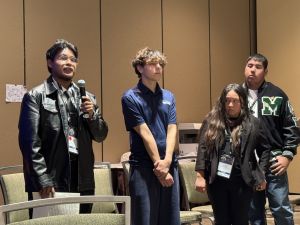
UNITY also hosted a tribal leadership breakfast, strengthening relationships and cultivating financial support from tribes committed to investing in Native youth leadership. Additionally, UNITY facilitated a youth track workshop, bringing together Indigenous youth from across the country to collaborate on solutions addressing the challenges impacting their communities.
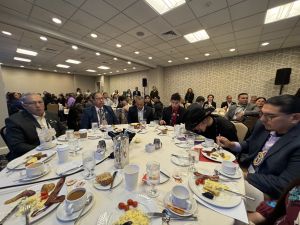
Reflecting on the power of these gatherings, Watson shared, “When tribal leaders and Indigenous youth come together to act upon issues facing our communities miracles are made.” His words capture the essence of UNITY’s mission—bridging generations to create meaningful change.
The National UNITY Council (NUC) represents over 300 affiliated youth councils nationwide and serves as the collective voice of Native youth, including Native Hawaiian and Alaskan Native communities. Through conferences, regional gatherings, civic engagement, and campus partnerships, UNITY develops leaders rooted in culture and committed to addressing the issues facing Indian Country.
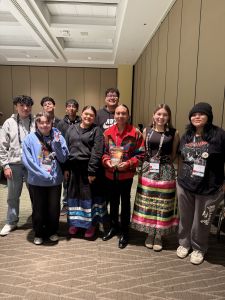
As Male Co-President of the National UNITY Council Executive Committee, Watson plays a central role in guiding national strategy, representing youth voices before tribal governments, and strengthening the UNITY network across regions. Whether organizing campus events, supporting regional conference planning, elevating Indigenous visibility in athletics, or speaking before tribal leadership at NCAI, Watson continues to demonstrate that Indigenous youth leadership is powerful, visible, and transformative.